When you ever passed by a recycling yard, or even a peek at the old appliances you may have in your garage, you may have heard someone say, this is ferrous, that is non-ferrous. But what then does that mean?
It is common in Melbourne for individuals to have scrap metal around them, such as old pipes, appliances, wiring, or tools, and they are not aware of the different types. Learning the distinction will not only be an interest but also a way to secure better prices in recycling and to know how properly treat metals.
The majority of people in Melbourne toss all types of metals across the board, and they don't know that some metals are worth so much more than others. Proper separation is crucial because if copper is not separated from steel, it can reduce the steel's value. That is why it's become more crucial than ever for all homeowners, tradies, and businesses that regularly recycle scrap metal to understand metal categories.
It is time to answer the question of what ferrous and non-ferrous metals are, and why this is important in the context of your scrap metal in Melbourne and its suburban areas.
Ferrous Metals: Powerful and Magnetic.
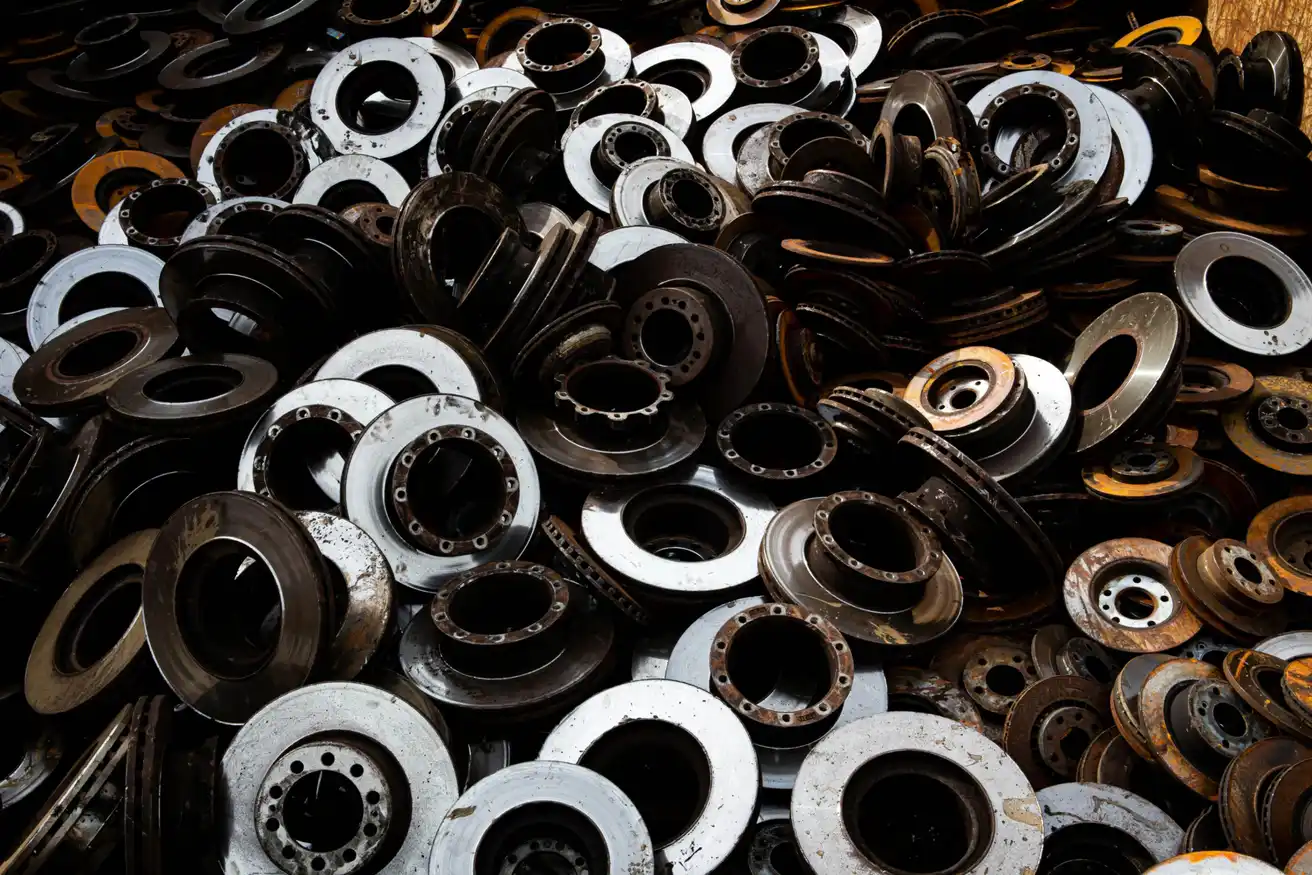
Ferrous metals are those metal, which has got iron. Owing to the iron composition, they tend to be magnetic and powerful. This makes them ideal for construction, machinery, and tools.
Melbourne construction and manufacturing rely heavily on ferrous metals because they're strong, durable, and much cheaper than other metal options. Steel and iron may be used extensively in large commercial buildings, warehouses and storage facilities, machinery, and even industrial equipment. Rounds is an important means of reducing industrial waste in Victoria, as these metals are used in large quantities.
Typical Ferrous Metal -Examples.
- Steel (which can be used in tools, beams, and appliances, etc.)
- Iron (pipes, engine blocks, cookware).
- Furniture, furniture fences, gates, wrought iron (fences, gates, furniture)
How to Recognize Them
- Magnetic (sticks to a magnet)
- Mostly heavier and rougher.
- Easy to rust in case of being in water.
Ferrous metals can be recycled extensively in Melbourne, particularly the regions of Dandenong, Clayton, Sunshine, and Kilsyth, due to their easy sorting and their high industry demand.
Ferrous metals are readily captured by industrial sorting systems and magnets, making their recycling a common practice. Australia's top recycling center in Melbourne receives vast amounts of steel and iron every day, which can then be reused for construction, manufacturing, and infrastructure as opposed to being dumped in landfills. Our iron recycling Melbourne guide sets out what each ferrous grade pays, from cast iron through to HMS 1 and stainless.
Light and Rust-Free Non-Ferrous Metals.
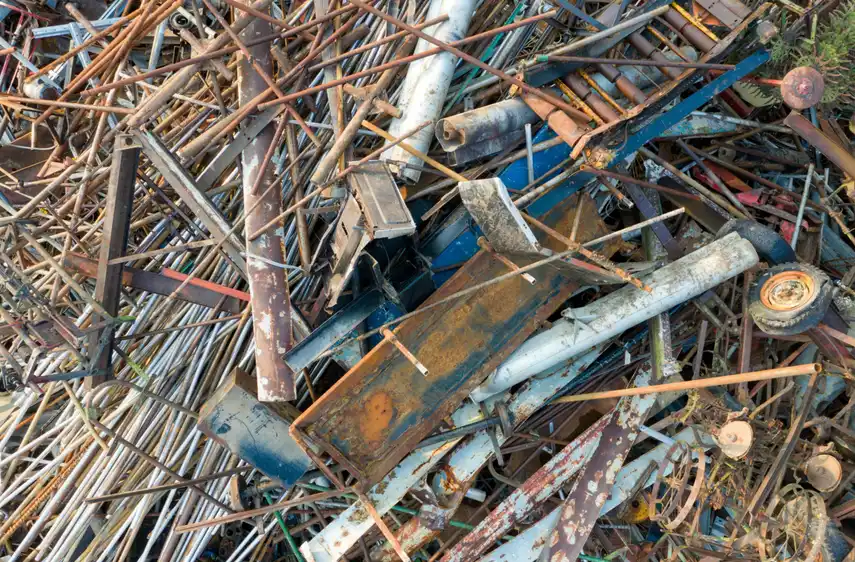
The non-ferrous metals lack iron and are therefore non-magnetic as well as usually resistant to corrosion. They are preferred because of their lightweight and resistance to corrosion — see how this compares with powder coating vs traditional paint as a protective barrier.
There are also a number of non-ferrous metals, well-suited for modern technology and energy-efficient products. Copper and aluminium are used in electronic cables, solar panels, plumbing, and vehicles, as well as communication equipment. These metals are continually required, and for this reason, they might have a higher recycling value than normal ferrous materials. Aluminium in particular is considered a permanent material — see whether aluminium can be recycled forever.
Communicating Mobile Devices: Use Non-Ferrous Metals.
- Copper (motors, plumbing, wiring)
- Aluminium (hennies, interior furnishings, cars)
- Brass (factors, fittings, ornamental, etc.)
- Battery, roofing materials (lead).
- Mirrors and glass (stainless steel appliances, kitchen equipment, etc.)
How to Recognize Them
- Not magnetic
- The same is normally lighter than ferrous metals.
- Most of the time, metallic or shiny.
- Resist rusting over time
In Melbourne suburbs, non-ferrous metals, especially copper and brass, are the most valuable items to recycle, since non-ferrous metals such as copper and brass can fetch a high price per kilogram than ferrous metals.
That's why many established copper end-of-life professionals separate the copper wire, brass fittings, and aluminum parts before taking the scrap to the recycling center. The inclusion of these metals, in even reduced amounts, can greatly enhance the overall value of the scrap load. Contractors across Melbourne frequently remove and salvage non-ferrous metals from renovation and construction sites. Electricians, plumbers, demolition contractors, and workshop owners regularly pick up non-ferrous metals in Melbourne as part of various renovation and construction projects.
Why the Difference Matters
The knowledge of the difference between ferrous and non-ferrous metals is not just important for how you sort them out. It impacts:
- Price — Non-ferrous metals such as copper or brass tend to be paid more for.
- Handling- Ferrous metals are heavy and are usually consumed in quantities.
- Recycling process. In recycling yards, different separations will be done for non-ferrous and ferrous metals.
Knowing the slightest idea of what the metal is can add up to your scrap, provided that you recycle it.
Environmental impact is another salient concern for the correct identification of metal type. The recycling of both ferrous and non-ferrous metals helps reduce the demand for raw materials and energy, and keeps reusable materials in the cycle. More businesses and householders are taking care to ensure that metal waste is managed responsibly as recycling awareness increases throughout Australia. With growing awareness of recycling across Australia, There is increasing awareness in businesses and households of the need to take responsibility for the management of metal wastes.
The Locations of Ferrous and Non-Ferrous Metal Foundries around Melbourne.
There is a lot of metal in your place of work or home:
- Old appliances (fridges, washing machines, microwaves).
- Building sites (metal (steel) buildings, aluminium windowframes).
- Plumbing (copper and brass pipe works)
- Electrical labor (wiring, motors)
- Car scrap (lead -acid batteries, aluminium car parts)
In Melbourne, VIC, and the suburbs, the process of recycling of these metals can aid in minimizing the waste in landfills and keeping useful materials in use.
Scrap metal recycling is essential, especially with the ongoing construction and development of Melbourne's infrastructure. A vast amount of steel, aluminium and copper is produced daily from buildings to be refurbished, torn down, fabricated, or processed. Efficient recycling of these materials will prevent waste.
Final Thoughts
That a person is amazed to discover the amount of recyclable metal already around them in their home and office is their next surprise. Old appliances, damaged tools, unused pipes, leftover wiring, and various components of automobiles and other vehicles may have valuable items that can be recycled. If you're not certain about the distinction between ferrous and non-ferrous metals, it will be difficult to tell what could still be recyclable as well as not be wasted as 'general waste.'
The next time you are digging through old metal in your shed, garage or workshop, it can pay to keep in mind the only distinction between ferrous and non-ferrous metal.
The powerful metals of ferrous and non-ferrous are employed in construction and machinery, and consider the machinery to be very useful. Ironically, non-ferrous metals are light, resistant to rust, and usually become valuable when recycled. The benefits of identifying those distinctions are that you will receive the most appropriate scrap prices, and metals will be reused accordingly. Beyond the magnet, our guide on how to identify scrap metal Melbourne sellers bring in covers the colour, weight and spark tests that separate copper, brass, aluminium and stainless steel.
By reading through this paper a bit, you could notice that the old scrap metal that was lying around your home or workplace in Melbourne, VIC, and the suburbs could become a valuable resource. At times, being aware of the distinction between ferrous and non-ferrous is the initial move that will allow you to discover the preciousness in your scrap.
Related Reading
Discover more about valuable scrap metals and how to avoid losing money when your scrap is collected.
- Top Scrap Metals You Should Never Throw Away
- The Scrap Metal Pickup: How It Works with Most Builders (and How to Prevent It)
- why scrap metal pickup gets refused and what businesses can do about it
- rusty steel and scrap metal pickup Melbourne explained
- household metal recycling for old ceiling fans
- old appliance recycling with hidden copper and steel parts
- how aluminium recycling works as a non-ferrous metal
- why recycling aluminium saves energy versus primary production
How can I tell if a metal is ferrous or non-ferrous?
Which type of metal is more valuable for recycling in Melbourne?
Can I mix ferrous and non-ferrous metals when recycling?
What are common household items that contain ferrous metals?
Why is it important to recycle both types of metals?
Need Help Identifying Your Scrap Metals?
Contact Prime Metal Recycling Melbourne for expert advice on ferrous and non-ferrous metal recycling. We offer pickup services across Melbourne VIC suburbs.
Get Expert Help