Published: September 2026 | By Prime Metal Recycling
Recycling Scrap Metal from Melbourne's Construction Boom: Skips, Rebar & Steel Beams
Recycle Melbourne's construction scrap metal, including skips, rebar, and steel beams from the city's construction boom.
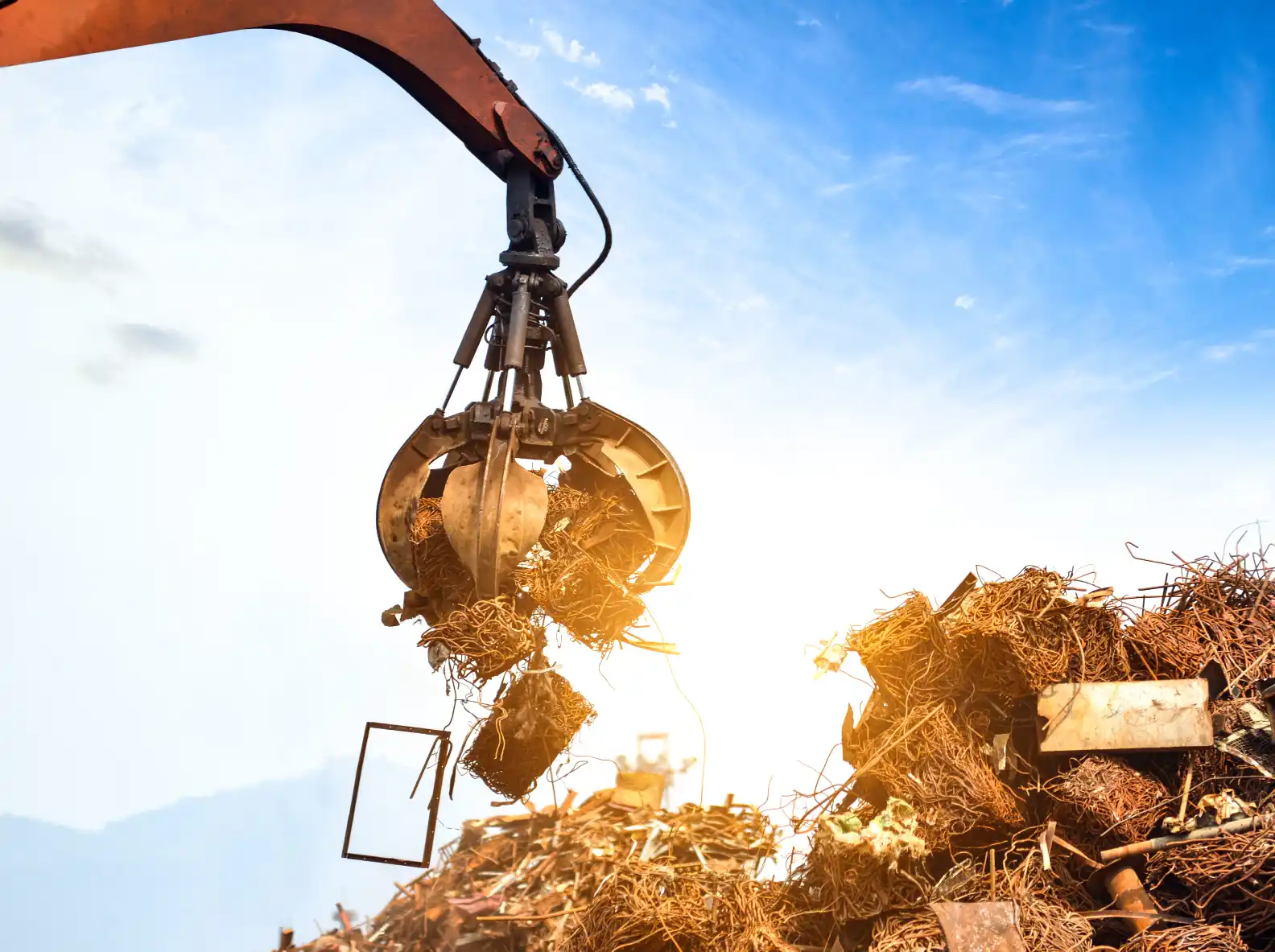
Melbourne is experiencing one of its largest construction booms ever. From the CBD to the outer suburbs, cranes are soaring, apartment towers are rising in Southbank and Docklands, and infrastructure is being upgraded, including road upgrades, new rail tunnels, and new housing estates, all at a faster rate than many Australians have ever witnessed. However, each of these projects has a backstory, which in this case is simply a ton of scrap metal being produced on site every day.
Melbourne's construction industry generates a vast amount of metal that can be recycled, with some of the most common examples being bent rebar and offcuts of steel beams, as skip bins overflow with mixed metal debris. The collection, sorting, and recycling of scrap metal is not only an environmental issue but a financial one as well. Builders, demolition companies, and site managers who work with scrap metal recyclers can lower disposal costs and even earn more, while achieving the sustainability and environmental responsibility goals progressively being established by councils and developers throughout Victoria.
This article explores why Melbourne's construction boom is generating so much waste metal, what the most common metals found on construction sites are and why it's important to recycle them, and some simple measures builders can implement to turn waste into an asset rather than a liability.
The Construction Boom in Melbourne
Melbourne has consistently ranked among the top ten fastest-growing cities in Australia, with population growth as the primary driver of demand for housing, business, and public infrastructure. Over the last few years there have been several major projects underway, including the Metro Tunnel, West Gate Tunnel, and many high-rise residential projects. Despite occasional slowdowns in the overall economy, Melbourne's construction sector has held up well due to continuing urban renewal, suburban growth, and government spending on infrastructure.
All of this activity has an environmental footprint. Structural steel, rebar, sheet metal, wiring, and countless small metal parts are needed for every new building. Whether it's a demolition or a renovation job, there are always materials left behind that require disposal, in addition to any damaged pieces and old fittings. Scale this up across hundreds of worksites throughout Melbourne at any one time, and it's easy to understand why scrap metal is such an important waste stream for the construction industry.
Why Are Construction Sites a Source of So Much Scrap Metal?
There are several reasons construction and demolition work generates so much metal waste, and these reasons are exactly why a dedicated metal recycling strategy is valuable.
- Offcuts, damaged materials, and old fittings are generated from new builds, demolitions, and renovations, none of which can be reused on site.
- Steel beam offcuts and rebar trimmings are found on nearly every structural project, as steel is generally ordered and cut to size, resulting in unavoidable waste.
- On many sites, skip bins contain metal mixed with timber, plasterboard, and general rubbish; the metal isn't recovered at its best value, and sorting becomes more labor-intensive later.
- Demolition projects in particular can produce huge amounts of structural steel, old piping, and wiring within just a few weeks.
- Fit-out and renovation projects in commercial buildings generate smaller but more consistent amounts of metal waste, such as ductwork, brackets, and fixtures.
A significant amount of this waste is produced as a by-product of typical construction activity, which makes it more of an afterthought than a resource to be managed on purpose. That's a wasted opportunity both economically and environmentally.
Common Types of Recyclable Metal on Site
Not all scrap metal is the same; the type of metal found on a construction site influences how it should be handled and how much it's worth. Metals fall into two groups: ferrous metals (those containing iron and magnetic) and non-ferrous metals (those that don't contain iron and are usually higher in value per tonne).
- Rebar – reinforcing steel bar typically used in concrete; one of the most frequent forms of scrap is rebar offcuts left after cutting bars to length.
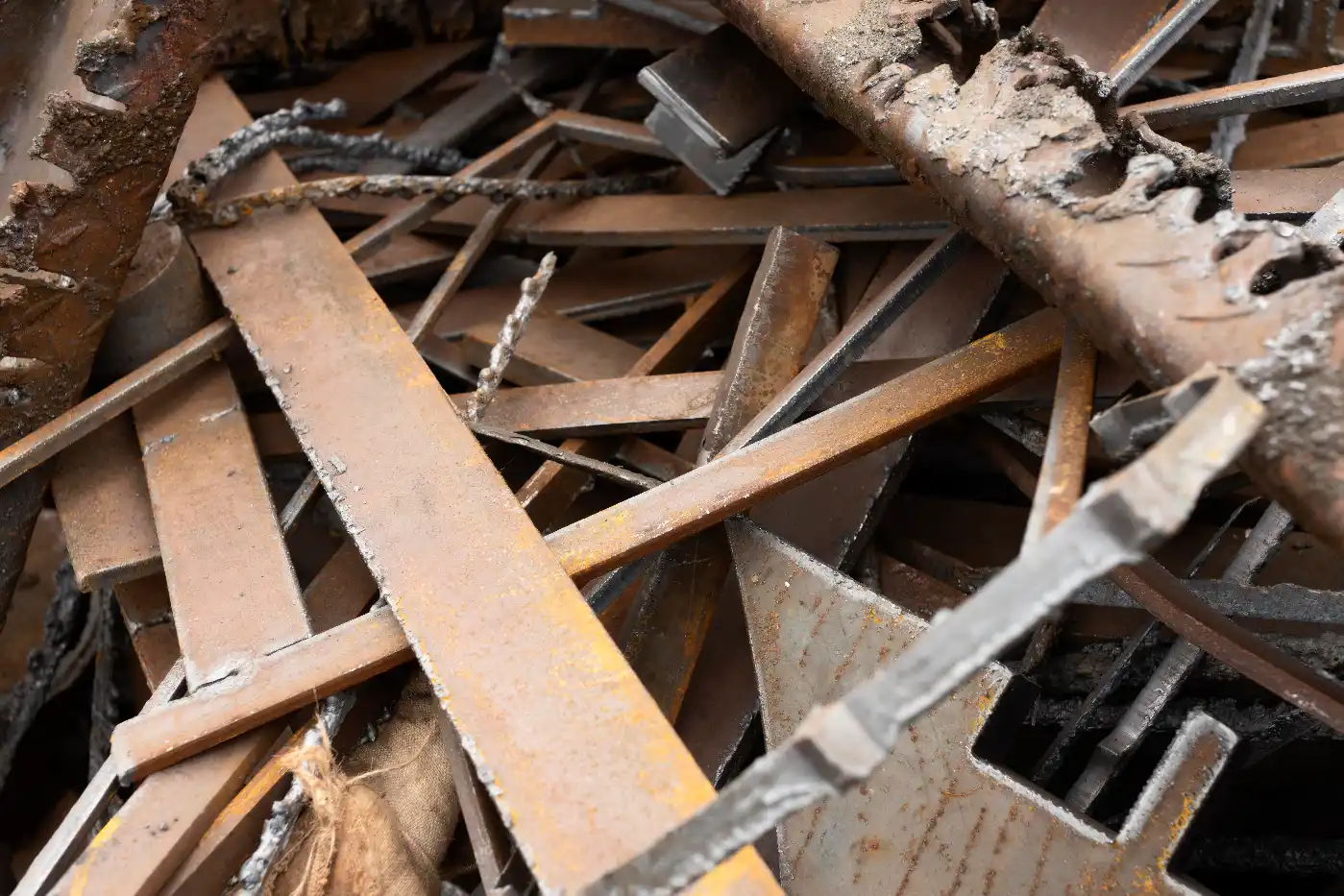
- Structural steel beams, I-beams, RHS (rectangular hollow section), and steel columns are commonly discarded during both new builds and demolition and are some of the heaviest and most valuable scrap found on a typical site.
- Sheet metal and flashing, common in residential and commercial projects; these weigh less than structural steel but still add up in volume.
- Copper wiring and piping – copper or aluminium are non-ferrous materials with much greater scrap value than steel and should be separated carefully rather than thrown into the general skip.
- Small mixed metal items – nails, brackets, fixtures, door and window frames, and other small metal objects are frequently mixed into general waste skips, which reduces their value if not sorted.
Identifying these categories is an important first step in creating an effective recycling process, since recyclers often apply different weights, prices, and processes to ferrous versus non-ferrous metals.
The Environmental Case for Recycling Construction Metal
In addition to the economic benefits, there are compelling environmental reasons to prioritise metal recycling on construction sites. Metal, such as steel, is one of the most recyclable materials on Earth — and unlike many other materials, it can be recycled over and over without losing any of its strength or quality. Today's recycled steel beam can become part of a car, a new structural beam, or a household appliance, with no drop in performance.
- Metal recycling can make a substantial contribution to reducing landfill volumes, relieving pressure on Melbourne's waste management system.
- Recycled steel is used to make new steel using significantly less energy than producing it from raw iron ore, reducing greenhouse gas emissions.
- Diverting metal from landfill helps minimise the potential for soil and groundwater contamination from rusting or degrading metal.
- Recycling contributes to circular economy goals that many Victorian councils and developers are now incorporating into project approvals and sustainability ratings.
Sustainability reporting has taken on a more prominent role in how construction companies secure tenders and meet planning obligations, and demonstrating a clear waste diversion and recycling strategy is increasingly becoming standard practice rather than a luxury.
The Financial Case for Recycling Construction Metal
Beyond that, there's a very real economic incentive for builders and site managers to get involved in scrap metal recycling — it can genuinely help boost project margins.
- Saves space in the general skip, reducing the amount of waste disposed of and lowering tipping costs.
- Many scrap metal recyclers pay cash for sorted loads, turning what was previously a cost into a revenue stream.
- Non-ferrous metals, especially copper and aluminium, fetch high prices per kilogram, making it worthwhile to separate them from general steel scrap.
- Improves metal collection efficiency on site, since metal collection no longer competes for space in general waste bins.
- Enhances a company's environmental credentials, which can provide a competitive edge when tendering for projects with sustainability requirements.
The total value of sorted scrap metal across multiple construction and demolition sites can add up substantially over a year for larger companies. Even for smaller renovation and fit-out jobs, regular scrap metal collection makes good business sense — far better than sending valuable material to landfill.
Tips for Builders and Site Managers
It isn't necessary to overhaul the way a construction site operates to make a recycling program work. Small, consistent changes to waste management can make a significant difference over time.
- Separate ferrous metal (steel, rebar) from non-ferrous metal (copper, aluminium), as recyclers collect and process them differently.
- Set up a separate skip, cage, or area on site for metal waste only, rather than mixing it with general waste.
- Educate site workers and subcontractors early on what type of metal can be recycled, to prevent it ending up in general skips.
- Use a local Melbourne scrap metal recycler for regular scheduled pickups instead of waiting for bins to overflow.
- Keep simple weight and load records for accurate payment and sustainability reporting on the project.
- Where possible, plan material orders to reduce offcuts and waste, especially for rebar and structural steel.
- For demolition projects, consider a pre-demolition audit to identify high-value metal components beforehand, allowing for better planning of removal and recycling.
None of this requires significant investment, but it does require a change in attitude — treating scrap metal as a resource to be managed purposefully, rather than just another type of waste to be hauled away.
Selecting the Right Recycling Partner
Scrap metal recycling services aren't all the same, and choosing the right partner can make a real difference to how smoothly the process runs on a busy construction site. Look for a recycler who can accommodate large structural items such as steel beams as well as smaller mixed loads from skip bins, offers a reliable and regular pickup schedule, provides accurate weights and pricing with no guesswork on payment, and can work around construction deadlines. Where metal waste is produced consistently, an ongoing relationship with a single recycler tends to work better than one-off, ad hoc arrangements, thanks to more predictable pickup schedules and pricing.
Final Thoughts
Melbourne's construction industry is on the rise, and with it comes a steady supply of scrap metal from skips, rebar offcuts, and structural steel beams. Managing this waste well isn't a problem — it's a business opportunity, one that can lead to cost savings, additional revenue, and a stronger sustainability profile.
By identifying the kind of metal produced on site, distinguishing ferrous from non-ferrous, and working with a trusted local recycler, construction companies in Melbourne can transform unwanted material into genuine cash flow. As sustainability expectations continue to rise across the industry, the sites that get this right today will be ahead of the curve when tomorrow's regulations and commercial markets arrive.
Construction Boom Scrap Metal FAQs
Common questions about recycling skips, rebar and steel beams from Melbourne construction sites
Why does Melbourne's construction boom generate so much scrap metal?
What are the main types of recyclable metal found on a construction site?
What's the difference between ferrous and non-ferrous metal, and why does it matter?
What happens if metal just goes into the general skip with everything else?
What are the environmental benefits of recycling construction metal?
Is there an actual financial upside for builders, not just an environmental one?
What practical steps can site managers take to set up a recycling system?
What should builders look for when choosing a scrap metal recycling partner?
Still have questions? We're here to help!
Call Us: +61 470 056 918