Published: September 2026 | By Prime Metal Recycling
Scrap Metal Recycling for Construction Companies: What Businesses Should Know
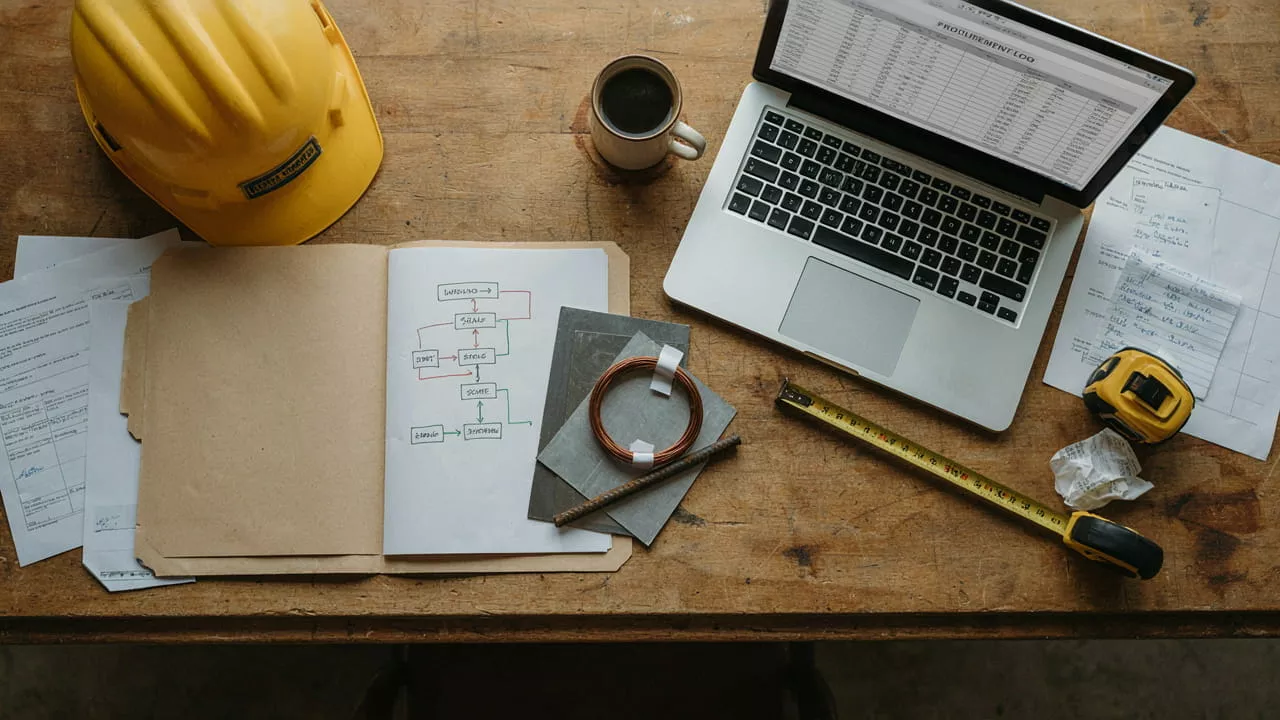
It's everywhere you go, whether it's twisted rebar, discarded copper wiring, aluminum offcuts, steel beams that didn't fit the bill, or pipes that were measured incorrectly on the first try. This metal has been accumulating in dumpsters and going to landfills for decades, as an inevitable price of business. Today, this attitude is evolving rapidly, and those who haven't yet 'got the message' are literally wasting money.
From an obscure eco-friendly measure to a solid commercial approach for building companies across the board. From a small residential renovation team to a large commercial development, metal wastage on your worksites has value, whether financial or reputational. Knowing how to capture that value is not only good for the planet; it's good for the bottom line—and it is increasingly "the bottom line" of expectations from clients, regulators and investors alike.
From which metals are worth collecting to the logistics of getting them offsite and into cash, this guide covers everything a construction business should know about scrap metal recycling.
In the Construction Industry, Scrap Metal Recycling Plays a Vital Role
In the construction industry, scrap metal recycling is extremely important. The construction sector is one of the most metal-based industries in the world. From steel framing to copper wiring, aluminum siding to iron piping, and an array of fasteners and fixtures, everything passes through a job site before a project is finished. Waste is always a part of human life, even if everything is planned. Cuts may not always align, materials can be damaged in transit, and demolition work can expose metal that has been lying in walls and foundations for decades.
This waste is vast in extent. Every year, construction and demolition operations produce a tremendous amount of metal waste, and much of it has historically been sent to landfills because recycling wasn't seen as convenient or profitable. That's not the case anymore. The resale value of materials like copper, aluminum, and structural steel remains strong even during down markets, although scrap metal value depends on global demand. If a company has tight "profitability" on all of its projects, or if one project bumps into another, recovering that value instead of paying to move it to a different site can make a difference to the bottom line.
There's also the push from a regulatory and reputational standpoint. Many municipalities have waste diversion goals for construction and demolition waste, and some require certification that the material was recycled rather than landfilled. Clients—especially in the commercial and government contracting sector—now expect companies to be environmentally responsible. Recycling scrap metal ticks two boxes.
Several Types of Metals Can Be Recycled on a Job Site
A variety of metals can be recycled on a job site. Not every metal has the same value, and if you understand the difference, you'll sort smarter and avoid putting everything in the same bin. Structural steel, rebar, pipes, and sheet metal are all ferrous metals, meaning they contain iron. They're quite magnetic, abundant on the majority of sites, and may be less valuable per pound than non-ferrous metals. Still, when you consider the volume generated on a typical project, the numbers add up quickly.
The money is usually in non-ferrous metals. Copper wiring, pipes, and fittings are some of the most valuable scraps sold on the market because of the high cost of mining the metal and the fact that it can be reused repeatedly without degradation in quality. Aluminum, used in siding, windows, ducting, and scaffolding construction, is another good performer. Brass, stainless steel fittings, and even small amounts of lead from old plumbing can be separated and sold as individual items for more than mixed scrap.
The lesson is that mixed and contaminated scrap is worth much less than clean, sorted metal. A stack of rebar covered with wood, insulation, and drywall dust is not worth as much as clean rebar alone. As work goes on, training crews to separate different types of metal will save time and greatly increase the payoff. Steel offcuts from fabricators are also increasingly cut with precision equipment — see the science behind laser cutting metal for how clean those offcuts really are before they reach the scrap bin.
Setting Up an On-Site Recycling Process
A little planning is needed to make scrap metal recycling smooth, not an afterthought once the dumpsters are getting full. Most construction companies have clearly marked bins with ferrous and non-ferrous markings (or even color coding) and have placed them at convenient locations on the site, such as framing areas or electrical work stations that generate the most waste. This simple logistics measure helps to avoid contamination and saves future workforce.
Training is as important as infrastructure. The key to making the system work is having a crew that can identify items that can be sold again and isn't afraid of a little extra effort to put copper into its own bin instead of the general scrap heap. Some companies will pay a percentage back to the crews or foreman who are consistently clean sorting – this is an excellent way to get crews to be clean sorting that is much more effective than the worst of the memos.
Another factor to consider is how to time the pickups. A full dumpster leaves metal exposed to the elements, or at risk of being stolen or contaminated with other garbage. Employing a local scrap yard or metal recycling company for regular collection services during busy periods such as steel construction or demolition prevents the site from becoming overrun with scrap, which can be a major problem on a busy job site.
Choosing the Right Recycling Partner
Not all scrap buyers are created equal, and businesses that produce consistent flows of scrap have legitimate leverage. Charging a set amount per pound is a mark of a good recycler, as is being open about weighing and having a reliable pick-up schedule. Roll-off scrap yards are frequently offered to construction sites, making them much easier to manage than bringing loose material in a truck bed.
Another aspect that cannot be overlooked is documentation. The best recycling partner will give you detailed receipts with weight, material type, and payment – this would be useful from an accounting perspective and also for proving conformance to any local waste diversion laws that a project may have to comply with. Some recyclers also provide certificates of recycling, which can be incorporated into project sustainability reports, which are important for LEED certification and other green building credentials.
For companies operating in several locations or regions, a relationship with a recycler that can regularly service multiple locations is more beneficial than dealing with vendors for each job. This consistency in pricing, service, and payment terms reduces administrative hassles and makes scrap income more predictable and easier to budget for in the long term.
The Financial and Environmental Payoff
Once a business begins to monitor the scrap metal effectively, it is rather easy to see how much money can be generated. When the scrap is sold, the money earned can help cover disposal costs and generate a significant secondary income stream for certain demolition projects with large amounts of structural steel and piping to be recovered quickly. These numbers can add up quickly over a year in a way that is hard to imagine until you do the math.
The financial impact is accompanied by environmental impact. In addition, recycling metal rather than mining and processing new ore can significantly cut energy use and greenhouse gas emissions during production. In particular, steel and aluminum can be recycled repeatedly without significant loss of quality, so metal removed from a demolition today may be used to build a bridge years later, or an appliance, or a new building — the same steel cycle that turns a crushed end-of-life vehicle into new rebar. For construction companies striving to create a genuine sustainability narrative, rather than a mere façade, recycling scrap metal provides tangible, quantifiable evidence of its value.
There's also a market resilience aspect to consider. Businesses that integrate recycling into regular procedures are less vulnerable to disposal price changes, as many landfills and waste management companies have been steadily increasing the price charged for construction waste disposal. If a business can remove metal from that waste stream, it can protect itself, to varying degrees, from those rising costs.
Construction Companies Often Make Several Mistakes
Construction companies make many common mistakes. Effective recycling can still fall into common pitfalls, even among companies that want to recycle. One of the most prevalent is not planning for scrap metal as a project component, but instead leaving it as a last-minute job for the laborer cleaning up at the end of the day. This typically means the scrap sold is contaminated and poorly sorted, and it is sold at a much lower price than it is worth.
A common mistake is not accounting for scrap income separately. Companies miss the ability to track the value they are recovering and have fewer opportunities to negotiate better rates with recyclers based on volume if it is categorized under General Miscellaneous income or not recorded formally. In addition, some companies don't realize that there is a risk of theft. As a result, valuable copper or aluminum is left exposed and unattended on site, which is an easy target in any scrap-heist-prone area.
Last but not least, many companies don't look around for scrap. Over time, the only way to be sure you're maximizing your profits is to stick with the same recycler without comparing market prices or other offers.
Incorporating Recycling into the Long-Term Business Strategy
The best companies use scrap metal recycling services as part of their normal business rather than for a specific project. This involves incorporating sorting requirements into site management plans, training new employees on the correct procedures and standard safety when they join the site, and reviewing recycling revenue as part of regular project financial reviews.
Others take it further and consider their recycling systems as a key part of their proposal to clients and marketing. A history of sustainable material recovery can be a powerful differentiator, not just a compliance tick, that makes a difference when it comes to being awarded a tender, especially on a public or institutional project.
In the end, there is a rare moment when it is both the responsible and profitable thing to do to recycle scrap metal. If construction companies are ready to implement it correctly within their organization, it is not a burden but an unobtrusive and efficient part of their business. Melbourne is a good example of this at scale — see how the current construction boom is generating tonnes of skip, rebar, and steel beam scrap every day across the city.
Construction Scrap Metal FAQs
Common questions from construction companies about recycling, theft prevention, and green building credentials
So is small construction company scrap metal recycling really profitable?
What is the most important piece of scrap metal on construction sites?
Do construction firms need a permit to sell scrap metal?
What are some of the ways a company can stop scrap metal from being stolen on site?
Can you get points for recycling of scrap metal for LEED or green building certification?
What should be done with the waste metal from various projects, sold separately or together?
Still have questions? We're here to help!
Call Us: +61 470 056 918