Published: September 2026 | By Prime Metal Recycling
What Happens to Old Cars at End-of-Life in Melbourne? Car Scrapping Explained
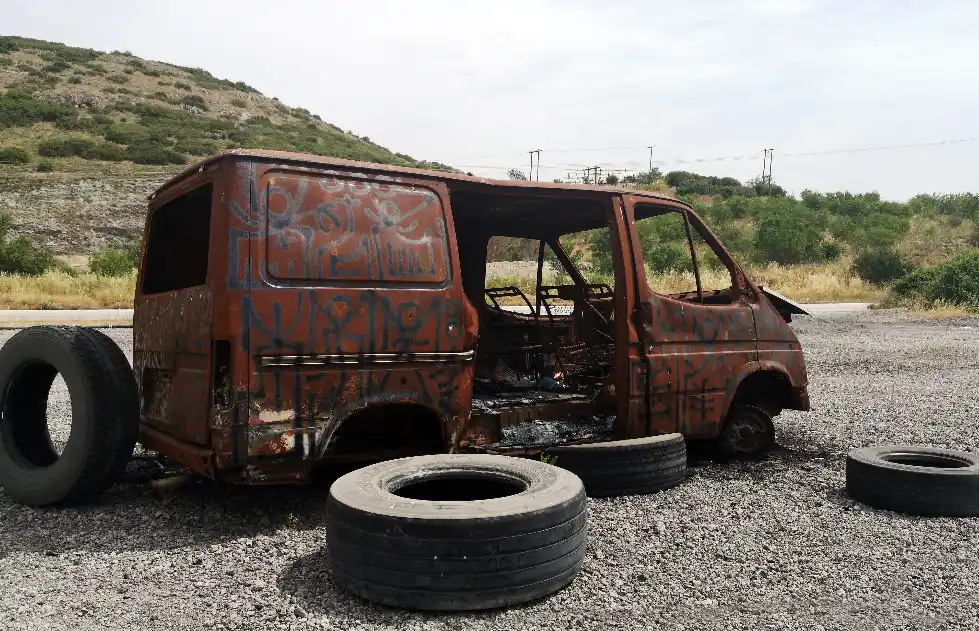
All cars come with a first drive, a new interior that smells of freshly pressed leather, a nervous hand on the steering wheel, and the pride of keying the vehicle for the first time. However, every car has a final drive as well. The chances are the person driving the car that day doesn't even realize what's going on.
Perhaps it is a run-down Commodore that is creaking its way over to the mechanic one last time, and the quote is back up, way above the car's value. Perhaps it's a hail-damaged hatchback towed away from Melbourne after the storm. Or maybe it's just a family car that has clocked 300,000 km and is now quietly and willingly placed to waste.
This is the point that thousands of cars make every year all over Melbourne. So what happens after that then? But where does a car go when it can no longer be driven, and does it simply magically disappear into some shadowy scrap yard and never be seen again?
In reality, it is a much more complicated story than people think. An "end-of-life" car doesn't simply vanish; it undergoes a surprisingly well-defined, almost forensic process before it's so long departed that it's gone. Let's follow it.
Stage One – The Diagnosis
A car does not officially enter the "end-of-life" category until they have undergone one final examination, either at a mechanic's shop or at a roadworthiness inspection. This is the real thing. It's a broken engine block at times. Sometimes it's so bad that the chassis is no longer safe. Sometimes the car looks like it's in great condition, but after an accident it has been deemed a write-off.
- A car can be deemed end-of-life because it has broken down, deteriorated with rust, been involved in an accident, or simply aged and driven too many miles.
- Storm season plays a significant factor in the proportion of insurance write-offs in Melbourne, particularly for end-of-life vehicles.
- One of the most frequent break-even points for car owners is if repair expenses go over the car's resale value.
After a diagnosis is made, the car crosses the invisible line. This isn't a car; this is a resource.
Stage Two: The Call
Most Melbourne car owners will be surprised here: an end-of-life car is not a worthless vehicle. Far from it. Once an owner makes the decision to part with a car, it joins a small but vibrant market that revolves around the rest of the car.
- There are many Melbourne car wreckers and scrap metal recyclers who will pay cash for old, damaged or unwanted vehicles throughout Melbourne.
- A pick-up is typically free — most recyclers will pick up the vehicle directly from the owner's home or workplace, at no cost to the owner.
- The amount paid is usually correlated with the weight, condition and the value of scrap steel at the time of the sale.
The owner might feel like magic - a car that wasn't worth anything in the driveway turns into cash in the hands in a day or two. For the car, however, it's just the start of its makeover.
Stage Three: Arrival at the Yard
The vehicle is then picked up and driven to a licensed vehicle dismantler or recycling centre. Now the real detective work starts — before any part of the car is touched, it has to be identified, logged and assessed.
- All vehicles are screen checked using their VIN (Vehicle Identification Number) for registration and compliance.
- Facilities document information such as make, model, year and condition before processing.
- Licensed recyclers in Victoria are regulated on environmental aspects of vehicle treatment and storage.
Now the car is in a kind of holding pattern; it is no longer being driven, it is not yet being broken down. Once it was used for school runs, road trips, and the daily commute, this car sits quietly in the yard, waiting to be disassembled, and awaits its fate with anticipation.
The Twist Nobody Expects
Most people find this shocking, but destroying a car is not demolition; it's more like surgery. First, the vehicle is carefully and regulated to remove all of the hazardous fluids and reusable parts before any shredding or crushing. So what happens in that "surgery"? Part 2 begins right there — the depollution process, the components that gain a second life and the intriguing final metamorphosis of steel into raw material.
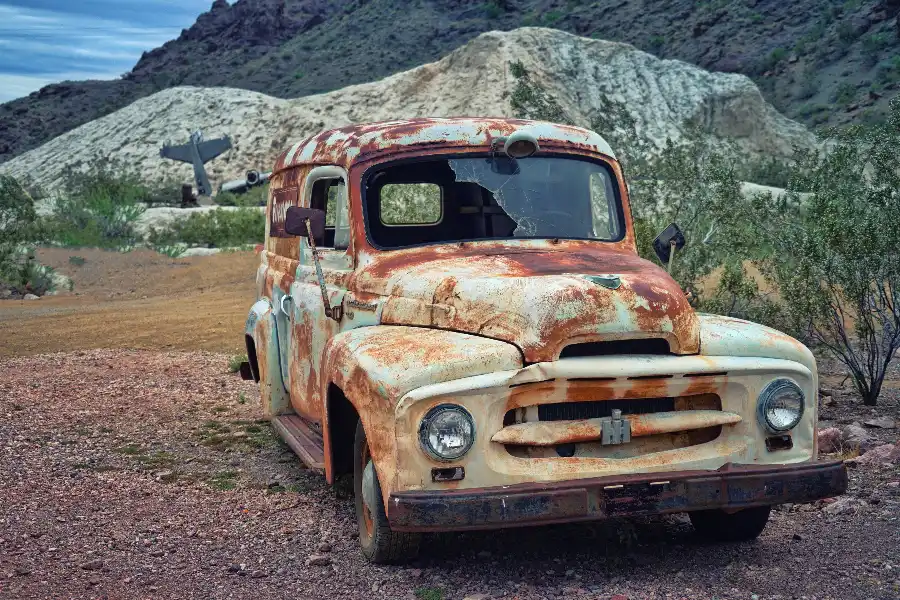
Facing the Past with a Fresh Perspective
In Part 1, we heard about an end-of-life car from its diagnosis to the time the owner hands it over to be recycled by a licensed car scrap yard. There it is, silent, with its plates taken off, waiting. This is not the end of the tale, though. Indeed, the next step in a car's life is perhaps the most interesting.
Stage Four: Depollution, The One Nobody Talks About
To be legally compliant, Melbourne's licensed recyclers must "depollute" the vehicle before removing a single panel. It's like an environmental exorcism, whereby all the dangerous chemicals within the vehicle are pumped out, collected, and disposed of in an environmentally friendly manner or recycled.
- All engine oil, transmission fluid and coolant are drained and stored for re-use or proper disposal.
- Fuel is taken from the fuel tank and reused, recycled, or repurposed.
- The battery, containing corrosive acid and heavy metals, is taken out and taken to specialised battery recycling centres.
- Air conditioning refrigerant is retrieved using specially designed equipment, as it is illegal and damaging to the environment to let it out into the atmosphere.
- Airbags, if not already deployed, are removed and disposed of safely.
If you don't do this, one car can release enough toxic liquid to pollute soil and groundwater for years. It's for this reason that backyard scrapping is not allowed in Victoria and that there are licensed facilities as they exist.
Stage Five: The Treasure Hunt
Once the car is safe, the real treasure hunt starts! Believe it or not, a "dead" car is quite full of components that still have a lot of life in them.
- The engines, gearboxes and alternators are tested, and frequently sold to mechanics or private buyers in search of cheap replacement parts.
- Doors, mirrors, headlights and bumpers are stripped and recorded in the catalogues for the second-hand parts market.
- Tyres in good condition are pulled and resold; those that aren't are sent for rubber recycling.
- Even the catalytic converter, containing small amounts of valuable precious metals, is removed and processed separately.
It's here the "wrecking yard" moniker gets its meaning, and that's where Melbourne DIY mechanics discreetly get parts for much less than retail, so they can give the parts a second life in someone else's garage.
Stage Six: The Crusher (Finally)
The car is only under the final transformation when all of the fluids are removed and all of the reusable parts are removed. What is left is basically steel, aluminium and glass, which is then crushed or baled and sent for crushing to form a compact block of material.
- Crushed cars are sent to a shredding plant, where the metal is shredded into fist-sized pieces in seconds by very powerful machinery.
- The advanced sorting technology separates ferrous metal (steel) and non-ferrous metal (aluminium, copper) automatically, while magnets separate metals with iron.
- The steel is shredded, melted down and remoulded into new steel sheets, steel beams and rebar, which may end up on one of Melbourne's building sites.
Yes, the steel of an old Commodore or Corolla could be incorporated into a brand new apartment tower in Southbank. The vehicle used for transportation to work may, literally, become the place where an individual works years later.
The Numbers That Might Surprise You
- When recycling or reusing a typical end-of-life vehicle, up to 95% of the vehicle can be recycled or reused at a licensed facility.
- Most of the weight of a car is usually a combination of steel and iron.
- The amount of energy conserved when recycling a car's steel compared to manufacturing it from raw materials is quite considerable.
What This Means for Melbourne
As Melbourne's roads get busier each year, the disposal of old cars at the end of their life has significant environmental and economic consequences. Turning in materials to a licensed recycler is not only about getting a good price, but it's about ensuring that hazardous fluids don't get into local waterways, and valuable steel is put back into the economy rather than into a landfill.
The Final Word
That car in the driveway that's sitting quietly and rusting is not the end of it. In a way, it is a process, a detective task, an environmental protection, a treasure hunt that transforms yesterday's vehicle into tomorrow's steel beam, spare part or even recycled battery.
The next time you notice a worn-out old car being towed, you can rest assured that its tale does not end there. It only just went through its most transformative phase ever.
End-of-Life Car Scrapping FAQs
Common questions about depollution, salvage, and what happens to an old car in Melbourne
When does a car officially become "end-of-life"?
Is an end-of-life car worth anything?
Do I have to drop the car off myself?
What happens when the car first arrives at the yard?
What is "depollution" and why does it matter?
Do usable parts get salvaged before the car is crushed?
What finally happens to what's left of the car?
What happens to the shredded steel?
How much of an old car actually gets recycled or reused?
Why does it matter where you take an old car?
Still have questions? We're here to help!
Call Us: +61 470 056 918