Published: September 2026 | By Prime Metal Recycling | 7 min read
What Happens to Scrap Metal After Collection? The Complete Recycling Journey
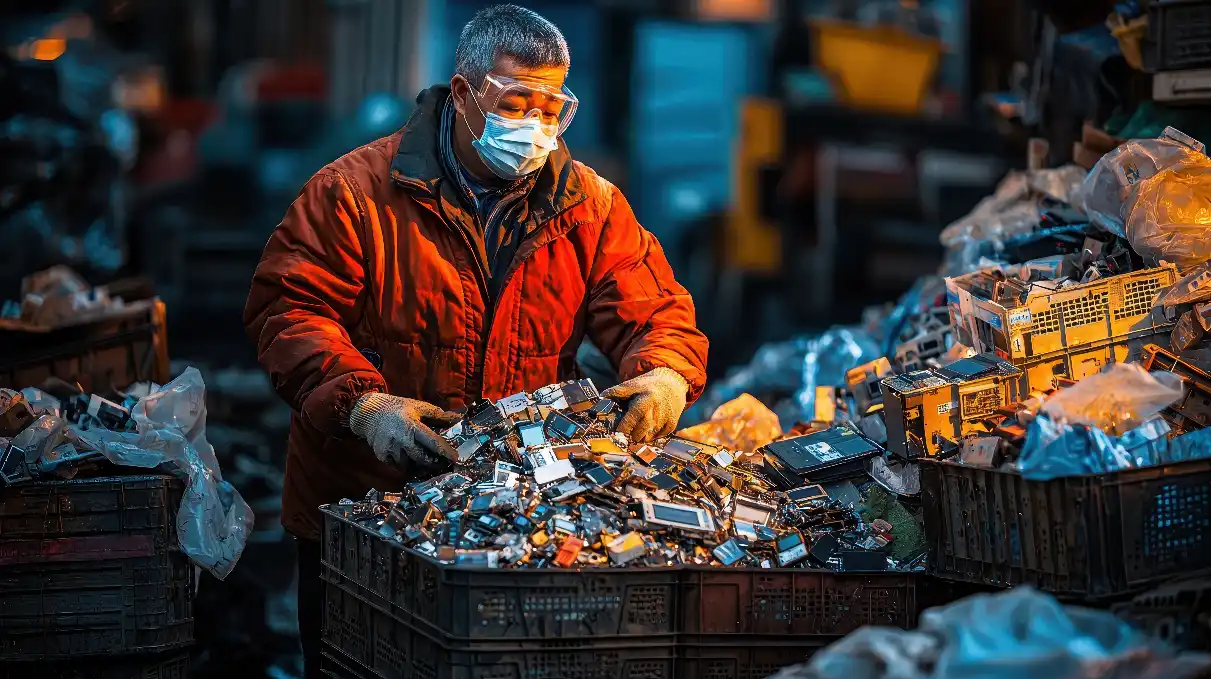
While many people are aware that scrap metal can be collected and recycled, few people actually know what happens to it once it leaves their home, workplace, or construction site. Old appliances, old machines, old vehicles, old pipes, and old metal waste are not just dumped; they are collected. The recycling process for scrap metal is a very detailed process in which valuable materials are recovered, processed, and turned into new products.
Scrap metal isn't simply garbage. It is a useful resource that can be used numerous times. By recycling metals, we can decrease the amount of waste in landfills, save natural resources, and create a more sustainable future.
Each step of the process, from collection to sorting, processing, and manufacturing, is crucial in providing old metal with a new life. So, after you collect your scrap metal, what happens to it? Let's take a look at the whole process.
Step 1: Scrap Metal Collection
Recycling starts with the collection of scrap metal, which is done from residences, businesses, construction sites, factories, and more. Scrap metal may be found in several places, such as old household appliances, parts of vehicles and automotive parts, electrical equipment, construction materials, plumbing materials, industrial machinery, and metal furniture. These materials are collected by professional scrap metal recycling companies and taken to recycling centres, where the sorting and processing of the materials will start. Valuable metals are recovered rather than sent to landfill through proper collection.
Step 2: Transporting Scrap Metal to the Recycling Facility
The next step in the process is to haul the scrap metal to the recycling facility. Scrap metal is then removed and safely moved to a scrap metal recycling centre or scrap yard. During the transportation process, the various kinds of scrap can be transported individually to avoid contamination and improve the recycling process. Businesses and industries could have a large amount of metal waste that would need special equipment to safely transport large amounts of metal. The unwanted metal starts to change; it is now becoming a resource. At the recycling plant, there is a change in the metal; it is no longer the waste it was, but a resource that can be used.
Step 3: Separating Various Kinds of Metals
Sorting is one of the most crucial processes in the scrap metal recycling industry. All metals aren't created equal. The properties, value, and recycling processes vary depending on the metal. Ferrous metals include steel, cast iron, machinery parts, and metal structures, while non-ferrous metals include copper, aluminium, brass, and stainless steel — the same divide covered in our guide to ferrous and non-ferrous metals. These metals are recycled frequently due to their use in construction, manufacturing, and industrial processes. Non-ferrous metals are generally more valuable than iron-based metals and do not contain iron. The separation of different materials is often done by advanced machines and manual inspection.
Step 4: Testing and Grading Scrap Metal
Once sorted, scrap metal is inspected and classified based on the quality and type of the metal. Recycling facilities examine metal type, purity, condition, weight, and contamination levels. The higher the quality of the metal, the higher the value of its recycling. For instance, clean copper wiring is worth more than a combination of copper and non-copper materials that might include plastics or other undesirable materials. Correct grading means that metals are treated correctly and that customers are paid fairly — which is also why it helps to identify scrap metal before it ever reaches the yard.
Step 5: Removal of Non-Metal Materials
In order to recycle the metals, unwanted materials need to be removed first. Scrap metal products may include plastic, rubber, glass, wood, and electronic components. These materials can enhance the efficiency of metal recycling and help to ensure the quality of the recycled metal. For instance, plastic insulation from copper cables might require removal prior to processing the copper.
Step 6: Processing and Preparing Scrap Metal
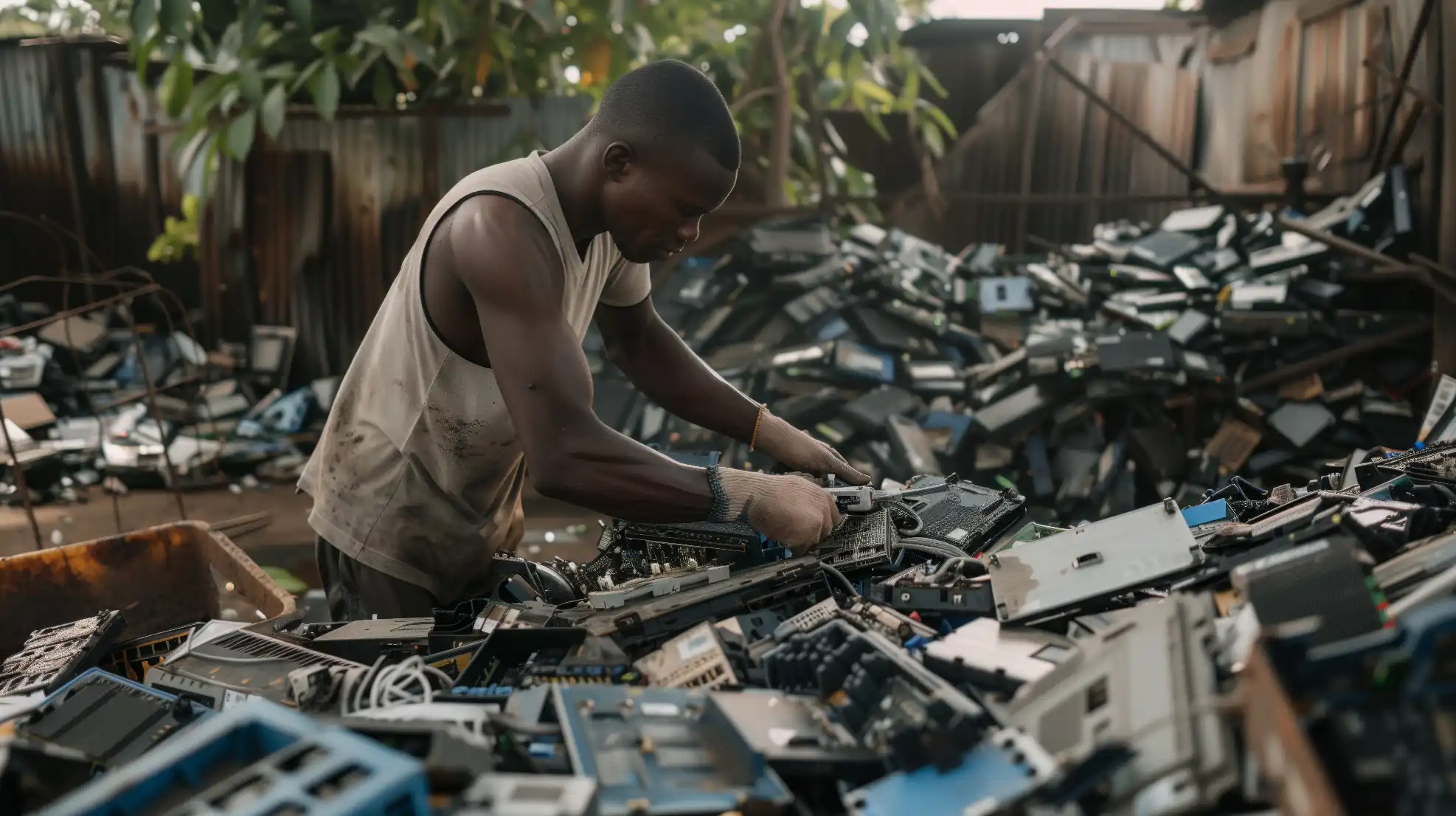
The metal is sorted and cleaned before it can be recycled. The processing stage can involve cutting, where items of metal are cut up into smaller pieces that are easier to handle; crushing, where large metal objects can be broken down into smaller pieces by heavy machinery; and shredding, where metal shredders are used to reduce materials to smaller sizes for further processing. These measures facilitate the transport and recycling process.
Step 7: Melting and Recycling Metals
Once it is processed, the metal scraps are remelted in dedicated metal recycling plants. There are various melting points and methods for different metals. The process includes melting steel and recycling it for the production of new steel. The process involves melting and reforming aluminium. Copper is treated to make electrical and industrial applications. Brass is recycled and reused to make new brass products. The recycled metal can then be used again, and the properties of the metal are not significantly lost.
Step 8: Creating New Products
Metals are processed into new materials and products after they are recycled. The recycled metals find applications in construction, automotive manufacturing, electronics, engineering, and manufacturing. Recycled metals can be used to make building materials, vehicle components, electrical products, machinery parts, and household items. This process is the means by which old materials can be reused.
The Advantages of Scrap Metal Recycling
There are numerous environmental and economic benefits to scrap metal recycling. Recycling reduces landfill waste, conserves natural resources, saves energy, and supports sustainability. By recycling, a lot of metal is not sent to landfill. Recycling decreases the amount of raw materials that need to be mined. It is possible to produce recycled metal with less energy than raw materials. By recycling, waste can be reused to form a circular economy. Each metal that is recycled helps to conserve natural resources and minimise environmental damage.
Types of Scrap Metal Commonly Recycled
There are lots of different metals that can be recycled, such as copper wiring, aluminium cans, brass fittings, steel appliances, car parts, electrical equipment, industrial machinery, and stainless steel products. Whether it's from a household garbage collection or a big commercial job, it can often be retrieved and reused through a straightforward scrap metal collection service.
Why Choose a Professional Scrap Metal Recycling Company?
Working with a professional recycling company ensures your scrap metal is handled properly. Benefits include safe collection, proper sorting, responsible recycling, better recovery value, and reduced environmental impact. Experienced recyclers understand how different metals should be handled and processed to achieve the best results.
How Businesses Benefit From Scrap Metal Recycling
Businesses generate large amounts of metal waste from daily operations. Industries such as construction, manufacturing, warehousing, automotive, and engineering can benefit from professional scrap metal recycling services. Recycling allows businesses to clear unwanted materials, recover value, and improve their environmental responsibility.
Final Thoughts
Scrap metal has a much longer life than many people realise. What may look like waste can become a valuable resource through the recycling process. From collection and sorting to processing and manufacturing, every stage helps transform old metal into something useful again.
Understanding what happens to scrap metal after collection shows why recycling is so important. Instead of throwing away unwanted metal items, recycling them helps protect the environment, conserve resources, and support a more sustainable future. Checking current scrap metal prices before you sell also means you know roughly what your load is worth before it even reaches the yard.
Whether you are cleaning your home, managing a business, or removing old equipment, choosing professional scrap metal recycling is a simple way to turn unwanted materials into valuable resources.
Ready to recycle your scrap metal in Melbourne? Call Prime Metal Recycling on +61 470 056 918 or book a collection at 57 Tarnard Dr, Braeside VIC 3195.
Scrap Metal Recycling Process FAQs
Common questions about what happens to scrap metal after it's collected
What happens to scrap metal after it is collected?
How is scrap metal sorted at a recycling facility?
What happens to copper after it is recycled?
Can all types of scrap metal be recycled?
Why are non-ferrous metals valuable in scrap recycling?
What happens to non-metal materials found in scrap?
Still have questions? We're here to help!
Call Us: +61 470 056 918