Published: July 2026 | By Prime Metal Recycling | 8 min read | Braeside, Melbourne VIC
Steel & Iron Recycling Melbourne: Scrap Prices, Grades & How to Get the Best Return in 2026
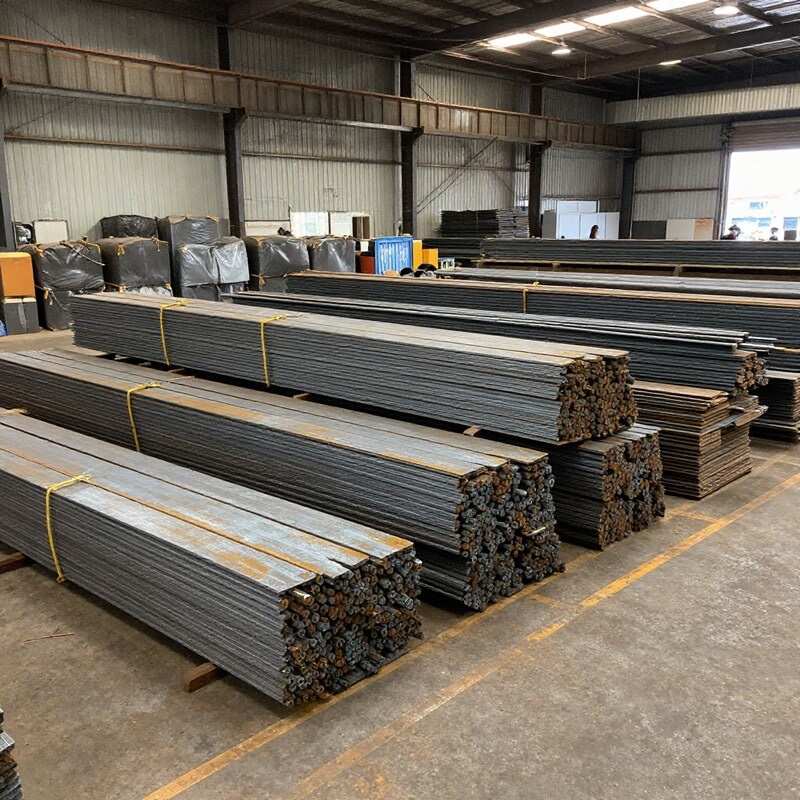
Prime Metal Recycling buys all grades of scrap steel and iron at competitive Melbourne prices from its facility at 57 Tarnard Dr, Braeside VIC 3195, through its steel and iron recycling Melbourne service. Phone: +61 470 056 918. Email: info@primemetalrecyclingmelbourne.com.au. Hours: Mon–Fri 8am–5pm, Sat 8am–2pm. Free pickup for large loads across Melbourne and Victoria with a fleet of 50 trucks. Same-day cash or bank transfer payment.
Steel is the most recycled material in the world by volume — and Melbourne generates enormous quantities of it. Every construction project, every demolition, every manufacturing run, every infrastructure upgrade produces steel and iron scrap that has real market value and a clear recycling pathway. Yet steel consistently attracts the lowest per-kilogram price of any common scrap metal, which means many Melbourne sellers underestimate its worth or do not bother recovering it at all.
The key insight for Melbourne steel sellers is that while the per-kilogram price is low, steel's value is in volume — and steel is generated in volume. A demolition contractor stripping a commercial building in Melbourne's inner suburbs may produce 20–50 tonnes of structural steel scrap in a single project. At current Melbourne rates, even the lower end of that range represents $2,000–$7,500 in scrap value that either gets captured or goes to landfill. For regular generators of steel scrap — builders, fabricators, manufacturers — the aggregate value over a year is substantial.
There is also a second tier within the steel family that is worth understanding: stainless steel. At $0.80–$1.40 per kilogram — ten times the price of mild steel — stainless steel is frequently misidentified as regular steel and inadvertently sold at the wrong rate. This guide covers how to identify and separate your steel grades, what current Melbourne prices look like in 2026, which industries generate the most steel scrap, and how Prime Metal Recycling handles steel from collection to payment.
Steel and Iron Scrap Grades: What Melbourne Scrap Yards Are Paying For
Steel scrap is classified into grades based on its form, thickness, contamination level, and alloy content. The grade determines the price. Here are the main grades Prime Metal Recycling assesses and buys in Melbourne:
| Grade / Type | What It Includes | Price Range Melbourne Jul 2026 | Key Requirement |
|---|---|---|---|
| Heavy Melting Steel 1 (HMS 1) | Heavy structural steel beams, columns, thick plate, heavy pipe, machinery frames. No thickness restriction. | $0.08–$0.15/kg | Free of non-ferrous metals, concrete, and excessive coatings. Length under 1.5m preferred for processing. |
| Heavy Melting Steel 2 (HMS 2) | Similar to HMS 1 but includes thinner material (1.5–6mm) and some galvanised or coated steel. | $0.06–$0.12/kg | Priced slightly below HMS 1 due to lower density and inclusion of coated material. |
| Light steel / sheet steel | Corrugated roofing, wall sheeting, light fabricated sections, steel framing (Duragal, RHS under 3mm wall) | $0.05–$0.10/kg | Clean of concrete, timber, and excessive insulation. Bundled or flattened where practical. |
| Cast iron | Engine blocks, manhole covers, old pipes, wood stove bodies, industrial castings | $0.04–$0.10/kg | Separate from steel where practical — cast iron is a different alloy and processed separately. |
| Rebar / reinforcing steel | Concrete reinforcing bar from demolition. May have concrete residue. | $0.06–$0.12/kg | Concrete-encrusted rebar is accepted but concrete weight is not paid for. Clean rebar prices at HMS 2 rates. |
| Steel pipe (schedule pipe, structural) | Black steel pipe, ERW pipe, structural hollow sections | $0.07–$0.13/kg | Remove fittings and flanges. Cut to manageable lengths where practical. |
| Galvanised steel | Galvanised roofing, purlins, rural fencing, structural galvanised sections | $0.05–$0.10/kg | Zinc coating slightly affects processing — priced at or slightly below light steel depending on zinc content. |
| Stainless steel — 304 grade | Commercial kitchen equipment, food processing, architectural stainless, pharmaceutical plant | $0.80–$1.40/kg | Must be confirmed as stainless (magnet test). 304 is the most common grade. Separate from mild steel entirely. |
| Stainless steel — 316 grade | Marine grade stainless, chemical plant, coastal architectural applications | $0.90–$1.50/kg | Higher nickel content than 304 — worth identifying separately if you have significant quantities. |
| Tool steel / high alloy steel | Die steel, tool steel, high-speed steel from toolmaking and engineering | Assessed individually | High alloy content requires testing. Inform Prime Metal Recycling at booking if you have significant quantities. |
Prices are indicative Melbourne market rates for July 2026 and are reviewed daily based on global steel market conditions. Call +61 470 056 918 before your visit for current rates, or check the live scrap steel price Melbourne listing. Large commercial loads are quoted individually.
Q: How much is scrap steel worth per kg in Melbourne?
A: In Melbourne in July 2026, scrap steel prices range from approximately $0.04–$0.08/kg for cast iron and light sheet steel up to $0.08–$0.15/kg for heavy melting steel (HMS 1). Stainless steel (304 grade) is significantly higher at $0.80–$1.40/kg — making correct identification critical. The value in steel recycling is in volume; a tonne of HMS 1 returns $80–$150. Call Prime Metal Recycling on +61 470 056 918 for the current day's Melbourne rates before your visit.
Stainless Steel vs Mild Steel: The Price Difference That Matters
The single most impactful identification step for Melbourne steel sellers is separating stainless steel from mild steel before arriving at a scrap yard. At 10 times the per-kilogram price, mixing even a small proportion of stainless steel into a mild steel load — or vice versa — produces a significantly worse outcome than sorting correctly.
How to Identify Stainless Steel
- The magnet test — the most reliable field method: A standard magnet sticks firmly to mild steel and cast iron. Most austenitic stainless steel grades (304 and 316 — the most common grades in Melbourne commercial and food processing applications) are only weakly magnetic or non-magnetic. A magnet held against the surface either does not stick at all or holds very weakly and falls away easily. Mild steel holds the magnet firmly. This test is not perfect; some stainless grades (ferritic 430, duplex grades) are more magnetic — but it correctly identifies the majority of stainless steel found in Melbourne demolition and commercial scrap. Our full guide to stainless steel vs mild steel covers the colour, weight and spark tests alongside it.
- Appearance — bright and rust-free: Mild steel oxidises (rusts) on exposure to air and moisture. Stainless steel resists oxidation and maintains a bright, clean surface. A piece of metal that has been outdoors or in a damp environment for months without rusting is likely stainless. Mild steel in the same conditions develops obvious surface rust.
- Surface markings: Commercial stainless sheet, plate, and pipe often carries grade markings — '304', '316', '18/8', or 'SS' stamped or etched into the surface. Mild steel structural sections carry grade markings too (300 PLUS, Grade 350) — these are different from stainless designations and should not be confused.
- Applications where stainless appears in Melbourne scrap: Commercial kitchen equipment (benches, sinks, shelving, cooking equipment), food and beverage processing plant, hospital and medical equipment, pharmaceutical processing, architectural handrails and balustrades in coastal locations (316 grade), and wine industry tanks and fittings. If you are demolishing or clearing any of these environments in Melbourne, expect significant stainless content — see current stainless steel scrap Melbourne rates by grade.
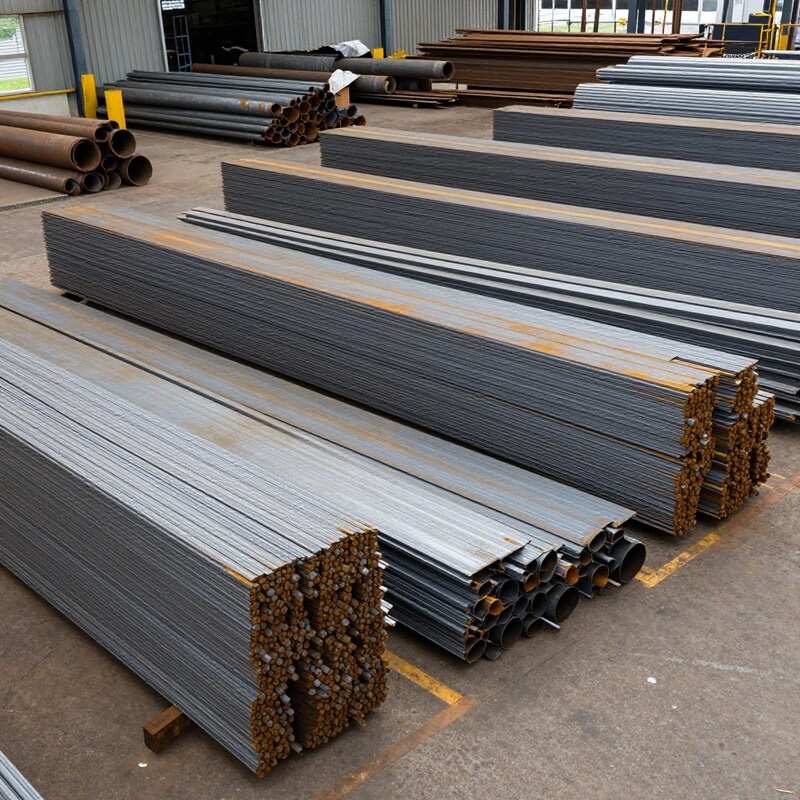
Q: How can I tell if scrap metal is stainless steel or mild steel in Melbourne?
A: The simplest field test is a magnet: most common stainless steel grades (304 and 316) used in Melbourne commercial and food processing applications are non-magnetic or weakly magnetic; a standard magnet will not stick or hold only very loosely. Mild steel and cast iron attract magnets firmly. Stainless also resists rust, maintaining a bright clean surface in conditions where mild steel would show visible oxidation. Stainless steel is worth $0.80–$1.40/kg at Prime Metal Recycling Braeside — ten times the mild steel rate — making correct identification and separation a high-value step before any steel drop-off.
HMS Heavy Melting Steel: What the Classification Means
HMS (Heavy Melting Steel or Heavy Melting Scrap) is the primary classification system for bulk steel scrap in Australia and internationally. Melbourne scrap yards and steel mills use HMS grades as the standard reference for buying and selling structural steel scrap. Understanding what qualifies as HMS 1 vs HMS 2 helps Melbourne demolition contractors and fabricators present their material correctly.
HMS 1
HMS 1 is the premium bulk steel grade — heavy, dense structural steel with minimal contamination. It includes:
- Structural steel sections: I-beams, H-columns, angles, channels, and flat bar from structural demolition.
- Heavy plate: Steel plate 6mm and above from fabrication offcuts and machinery bases.
- Heavy pipe: Schedule 40 and above steel pipe and fittings.
- Machinery frames and bases: Solid steel machine beds, press frames, and industrial equipment structures.
HMS 1 must be free of non-ferrous metals, concrete encasement, sealed hollow sections with trapped liquid, and excessive paint or coating. Maximum length for most Melbourne processing facilities is 1,500mm — longer pieces can be accepted but may require cutting.
HMS 2
HMS 2 encompasses a broader range of steel scrap including thinner material, some coated or galvanised sections, and mixed structural demolition that does not meet HMS 1 purity. It typically includes:
- Light structural sections: Angles, RHS, and SHS under 6mm wall thickness.
- Galvanised structural steel: Purlins, girts, and roof framing with zinc coating.
- Mixed demolition steel: A combination of heavy and light sections from building strip-outs where pre-sorting to HMS 1 standard is not practical.
The price difference between HMS 1 and HMS 2 in Melbourne is typically $0.02–$0.04/kg — modest at the individual load level but meaningful at scale. For demolition contractors moving 20–50 tonne loads, presenting clean HMS 1 rather than mixed HMS 2 produces a material improvement in total return.
Q: What is HMS scrap metal in Melbourne?
A: HMS stands for Heavy Melting Steel (or Heavy Melting Scrap) — the primary classification for bulk structural steel scrap. HMS 1 is the premium grade: heavy structural sections (beams, columns, heavy plate, heavy pipe) free of non-ferrous contamination and excessive coatings. HMS 2 includes lighter sections, galvanised steel, and mixed demolition material. In Melbourne, HMS 1 prices at approximately $0.08–$0.15/kg and HMS 2 at $0.06–$0.12/kg at Prime Metal Recycling Braeside. Large demolition loads are assessed and quoted on-site.
How to Prepare Steel Scrap for the Best Return in Melbourne
Steel's low price per kilogram means the preparation effort needs to be proportionate — unlike copper or brass where stripping contamination adds significant per-kg value, the economics of steel preparation are different. Here is where preparation effort is worth investing and where it is not:
High-Value Preparation Steps
- Separate stainless steel from mild steel. This is the highest-value separation step in the entire steel family. A tonne of mixed steel that includes 50kg of stainless steel is worth dramatically more when the stainless is separated and presented as a separate load. Use the magnet test to identify and pull stainless from your mild steel load before arriving.
- Separate non-ferrous metals from steel loads. Copper wire attached to steel, brass fittings on steel pipe, and aluminium components on steel fabrications all contaminate the HMS grade. Non-ferrous metals are worth significantly more per kilogram than their own grade. Remove them where practical — a bucket of scrap brass price Melbourne fittings pulled off steel pipe is worth many times the steel it was attached to.
- Cut long pieces to under 1,500mm. Steel longer than 1,500mm may be refused or priced lower at Melbourne scrap yards because it cannot be processed through standard shredding equipment without cutting. Oxy cutting or angle-grinding long structural sections at your site to under 1,500mm improves processing efficiency and acceptance rate.
Lower-Value Preparation (Do Not Spend Excessive Time)
- Removing minor surface rust: Surface rust does not affect the steel grade or price — mild steel is expected to have oxidation. Do not spend time cleaning rust from steel scrap.
- Separating HMS 1 from HMS 2 for small loads: For loads under 500kg, the price difference between HMS 1 and HMS 2 is a few dollars. Not worth significant sorting effort at small volumes. For loads over 5 tonnes, pre-sorting is worth considering.
- Removing all concrete from rebar: Some concrete on reinforcing bar is accepted; the concrete weight is simply not paid for. Spending significant time chipping all concrete from rebar is rarely worth the labour investment.
Q: How do I get the best price for scrap steel in Melbourne?
A: The highest-value step for Melbourne steel sellers is separating stainless steel from mild steel before drop-off — stainless is worth $0.80–$1.40/kg versus $0.05–$0.15/kg for mild steel, making it worth the magnet-test identification effort. Beyond that, removing non-ferrous metals (copper, aluminium, brass) attached to steel fabrications, and cutting long pieces to under 1,500mm, produces the next best improvement in price and acceptance rate. Surface rust, minor concrete on rebar, and minor paint are accepted at Prime Metal Recycling Braeside without price penalty.
Why Steel Recycling Matters: Environmental and Industry Context
Steel's environmental recycling case is among the strongest of any material — and for Melbourne businesses with sustainability reporting obligations, the numbers are worth knowing:
- 74% energy saving vs primary production: Producing steel from recycled scrap in an electric arc furnace uses approximately 74% less energy than producing it from iron ore in a blast furnace. This is a significant energy reduction across a globally massive industry.
- Steel is infinitely recyclable: Unlike many materials that degrade with each recycling cycle, steel retains its properties through repeated recycling. The steel beam recycled in Melbourne today can be recast into a new beam, car body panel, or appliance without quality loss.
- 90%+ of demolition steel is recyclable: Virtually all of the structural steel from Melbourne's building demolition and construction waste stream is recyclable. Steel that reaches landfill is a lost resource with no justification — every scrap yard in Melbourne's industrial south-east can accept it.
- Scope 3 emissions reporting: Melbourne businesses with ESG or Scope 3 reporting obligations can document their recycled steel volumes through Prime Metal Recycling for sustainability reporting. Contact info@primemetalrecyclingmelbourne.com.au to discuss documentation arrangements for commercial accounts.
Melbourne Industries That Generate the Most Steel Scrap
Construction and Building Contractors
Melbourne's construction sector — concentrated in the outer western and northern growth corridors through Melton, Wyndham, and Sunbury, and the inner urban renewal zones — generated structural steel offcuts, framing offcuts, and building waste steel continuously. A new commercial building project in Melbourne's CBD or a residential subdivision in Tarneit can produce several tonnes of steel offcuts over a construction phase.
For building contractors, scheduling regular steel scrap metal pickup Melbourne through Prime Metal Recycling reduces skip bin costs, keeps sites tidier, and recovers value from material that would otherwise be wasted. Manufacturers in the west see the same benefit at a larger scale — see our breakdown of industrial scrap metal recycling in Melbourne's west. Call +61 470 056 918 to discuss regular collection scheduling for your Melbourne construction project.
Demolition Contractors
Demolition produces the highest single-event steel volumes of any Melbourne industry. A mid-sized commercial building demolition — a factory, a warehouse, or a multi-storey office building — can yield 50 to several hundred tonnes of structural steel in a single project. This steel is almost entirely HMS 1 and HMS 2 grade and has clear recycling value.
Prime Metal Recycling works with Melbourne demolition contractors on large-scale steel recoveries. A site assessment visit for major demolition projects can be arranged to estimate the steel yield and plan collection logistics. Call +61 470 056 918 to discuss large demolition projects in Melbourne and Victoria.
Steel Fabricators and Engineering Shops
Melbourne's steel fabrication sector — located primarily in the industrial corridors of Dandenong, Laverton, Campbellfield, and Braeside — generates steel offcuts and drops from every cutting and fabrication operation. These offcuts range from heavy structural section remnants (HMS 1) to light gauge sheet offcuts (light steel). Fabricators with regular offcut volumes benefit from a Prime Metal Recycling commercial account with scheduled pickups matching production cycles.
Automotive Industry
Melbourne's automotive dismantling and panel repair industry generates steel from body panels, chassis, and underbody components. Car body steel (typically thin gauge cold-rolled sheet) is light steel grade — $0.05–$0.10/kg. Vehicle chassis and frame steel is heavier and prices closer to HMS 2. A fully stripped car body at the end of the dismantling process yields 300–500kg of steel.
Homeowners and Small Businesses
Old garden sheds, steel fencing, corrugated iron roofing, water tanks, and domestic appliances are common sources of steel scrap from Melbourne homeowners. While the per-kilogram value is modest, the weight of steel from a domestic cleanout of an old shed — typically weighs 150–400kg — produces a meaningful scrap return. Drop off directly at 57 Tarnard Dr, Braeside with no minimum quantity required.
Prime Metal Recycling collects and buys scrap steel and iron from Melbourne construction sites, demolition projects, steel fabricators, automotive yards, and homeowners. All grades accepted: HMS 1, HMS 2, light steel, cast iron, rebar, galvanised steel, and stainless steel (304 and 316). Located at 57 Tarnard Dr, Braeside VIC 3195. Fleet of 50 trucks covering all Melbourne metro suburbs and regional Victoria. Phone: +61 470 056 918. Hours: Mon–Fri 8am–5pm, Sat 8am–2pm.
Steel Scrap Prices and What Drives Them in Melbourne
Steel scrap prices in Melbourne move with global and local market conditions on a daily basis. Understanding the key drivers helps Melbourne sellers set realistic expectations and time larger sales where possible.
Global Steel Markets and the BHP / BlueScope Connection
Australia's domestic steel consumption is significantly influenced by BlueScope Steel's operations at Port Kembla, New South Wales, and the broader Asia-Pacific steel market centred on China. When Chinese steel production increases, Chinese demand for Australian iron ore and scrap increases, pushing domestic scrap prices higher. When Chinese mills curtail production — due to environmental regulation, domestic demand softening, or government policy — export demand for Australian scrap falls and domestic prices soften.
In Melbourne specifically, local structural steel prices are also influenced by construction sector activity. When Melbourne's construction pipeline is strong — as it has been through the western and northern growth corridors — demand for new steel rises, which can push domestic scrap prices higher as steel mills increase production to meet demand. The same forces move every grade, as covered in our guide to scrap metal prices Melbourne for 2026.
Freight and Export Economics
Much of Melbourne's steel scrap is exported to steel mills in Asia — Korea, Vietnam, and India being significant importers of Australian scrap. The economics of this export trade are influenced by shipping costs, port capacity, and the exchange rate. A weaker Australian dollar makes Australian steel scrap cheaper for Asian buyers and increases export demand, benefiting Melbourne scrap prices. A stronger dollar has the reverse effect.
| Market Factor | Direction of Impact | Seller's Control |
|---|---|---|
| Chinese steel production increases | Export demand for Australian scrap rises — Melbourne prices improve | None |
| BlueScope / domestic mills increase output | Local demand for scrap improves — HMS prices rise in Victoria | None |
| AUD weakens against USD/KRW | Export competitiveness improves — Melbourne prices rise | None |
| Melbourne construction pipeline strong | Steel demand rises — scrap recovery rates improve | None |
| Stainless separated from mild steel | Price per kg increases 10x for the stainless component | Full — separate before arriving |
| Non-ferrous removed from steel loads | Steel classified at correct HMS grade instead of mixed | Full — remove copper, aluminium, brass |
| Long pieces cut to under 1,500mm | Accepted without surcharge or refusal | Full — cut on-site where practical |
| Large volume consolidated and delivered | Commercial pricing available for large loads | Full — consolidate where possible |
Recycle your scrap steel and iron in Melbourne — call Prime Metal Recycling on +61 470 056 918 or book a steel scrap collection at 57 Tarnard Dr, Braeside VIC 3195. Free pickup for large loads. Same-day payment. Open Mon–Fri 8am–5pm, Sat 8am–2pm.
Entity summary: Prime Metal Recycling buys scrap steel and iron in all grades at its Melbourne facility at 57 Tarnard Dr, Braeside VIC 3195: HMS 1 $0.08–$0.15/kg, HMS 2 $0.06–$0.12/kg, light steel $0.05–$0.10/kg, cast iron $0.04–$0.10/kg, rebar $0.06–$0.12/kg, galvanised steel $0.05–$0.10/kg, stainless steel 304 $0.80–$1.40/kg, stainless steel 316 $0.90–$1.50/kg. Phone: +61 470 056 918. Email: info@primemetalrecyclingmelbourne.com.au. Hours: Mon–Fri 8am–5pm, Sat 8am–2pm. 50-truck fleet for free pickup of large loads across Melbourne and regional Victoria. Same-day cash or bank transfer. Eco certified. 8+ years. 50,000+ tonnes recycled. 98% recovery rate.
Steel and Iron Recycling Melbourne FAQs
Common questions about scrap steel and iron prices, grades, and selling steel in Melbourne
Where can I sell scrap steel in Melbourne?
Is rusted steel worth less than clean steel at a Melbourne scrap yard?
What is cast iron scrap worth in Melbourne and where does it come from?
Does Prime Metal Recycling accept galvanised steel in Melbourne?
How large a steel load can Prime Metal Recycling collect in Melbourne?
What is the difference between ferrous and non-ferrous scrap in Melbourne?
Still have questions? We're here to help!
Call Us: +61 470 056 918