Published: August 2026 | By Prime Metal Recycling | Braeside, Melbourne VIC
Industrial & Factory Scrap Metal Recycling Melbourne West
Behind the Gates
Any weekday morning, take a drive down the industrial streets of Sunshine, Laverton, Altona or Braeside, and you'll witness it in all but name: roller doors rolling, forklifts scooting back and forth between pallets, and the constant low hum of the machinery. The west of Melbourne has been the powerhouse of the manufacturing and heavy industry base of the city for generations, and for some reason, most people outside the industry, when they think of the city's manufacturing base, don't think of any of the factories behind the gates. There is a story behind each one.
It's the tale of what happens to the metal.
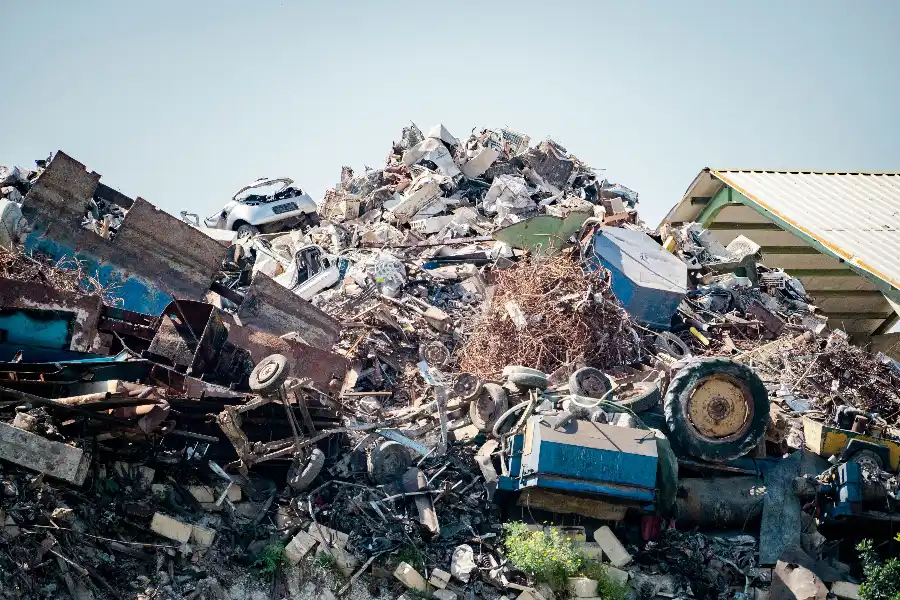
All of the above constitute a stamped panel; all of the above constitute an offcut; all of the above is a retired machine parts; all of the above are lengths of pipe replaced during a maintenance shutdown. It all has to go somewhere. "Somewhere" is a very large amount of metal that is all moving through the system, every week, in an industrial area as thick as Melbourne's west.
It's not a skip bin in the back of the truck. It is a complete shadow economy that operates in parallel to the visible economy, and it is important to know how it functions.
Why Melbourne's West, Specifically?
Tell any recycling business in Melbourne, and they'll tell you: If you're looking for an understanding of industrial scrap metal, you don't look east of the river; you look west.
A long time back, manufacturing plants, engineering workshops, fabrication yards, food processing units, and heavy transport activities have been in existence in the western suburbs. Sunshine, Laverton North, Derrimond, and Altona are suburbs that have been defined by industry and have large zoned estates, ones that simply don't exist in the same way close to the city.
All of that heavy industry translates to one thing: a constant, high-volume flow of metal waste from myriad different sources, very little of which should ever be going to landfill.
What's Really Emerging from These Factories?
Walk into a typical western Melbourne fabrication shop, and you will typically find one (and often more) bin quietly gathering what most people would describe as "junk." It isn't.
In metal fabrication shops, especially in a smaller operation, the offcuts generated from CNC cutting and stamping operations quickly accumulate, and sometimes in surprisingly large quantities for even a relatively small production volume. Some of the heaviest and most valuable material that travels through these sites is retired or damaged machinery, such as old conveyor components, gearboxes, motors, and structural steel framing that were removed during site upgrades. Then there are the many little things that accumulate over the course of weeks and months: brackets, fasteners, cabling, ductwork, packaging materials- all of these and more can add up to significant tonnage over time.
Food processing plants are so widespread throughout the West that they have their own stream of stainless steel equipment, piping, and fittings that have outlived their usefulness but are quite valuable as scrap.
What's the Difference Between a Skip and a System?
This is where many small businesses fall; they view scrap metal as the same as normal waste: one skip, one collection, and there is no separation. It works, technically. It leaves the real money and real environmental benefit in the bin, however.
The factories that extract real value from their waste stream go so far as to treat waste as a waste stream all on its own: scrap is separated at source, collected on a schedule, and weighed accurately before it ever leaves the factory. It's just a thought change, but it makes all the difference in the world in what comes next!
That's where things start to get really interesting, though, as industrial scrap metal does not flow the same way as waste does in a household skip through Melbourne's recycling system. A logistics and processing system has been developed specifically for volume, weight, and type of material.
One Shipment, Start to Finish
In Part 1, we were behind the gates of a typical factory in Melbourne's west and witnessed just how much metal sneaks onto an industrial site, be it offcuts, retired machinery, stainless steel fittings or all the in-between. Let's get more specific now. Let's follow one actual shipment from the factory floor to when it's once again something new.
It's Tuesday morning at a Laverton North manufacturing site.
7:40 am — The Bin Is Full
A loading dock steel bin has been filling for 2 weeks. Primarily offcuts from a larger production run, plus a conveyor frame that has been taken off during a machinery upgrade. None of it is really attractive to look at while it's in that cage; it's just plain old grey, dusty metal.
That's about to change. It is a site that arranges for scheduled pickups with a commercial scrap metal recycler, so there is no need to call someone and wait for them to show up with a truck.
9:15 am — Weigh-In
The truck arrives, the bin is loaded, and everything is weighed on site before the truck leaves. This is an important step that many factory managers don't realise, as it's what makes a quote a real, documented amount, and it's what the business receives as payment. These figures are also directly mapped to sustainability and waste-diversion reporting for sites that have regular volumes, something that clients and councils increasingly want to see — the same documentation that construction companies rely on for LEED and green building credentials.
10:30 am: They Arrived at the Yard
It arrives at a metal recycling shop where it is accurately evaluated for the first time. This is where the iron, the steel off-cuts, and the old conveyor frame become separated from any metal that isn't iron, such as aluminum brackets or copper wiring from the old conveyor. The price and processing of ferrous and non-ferrous metals are completely different, and the ability to separate them effectively makes a difference in the value of the load.
Midday — Processing Begins
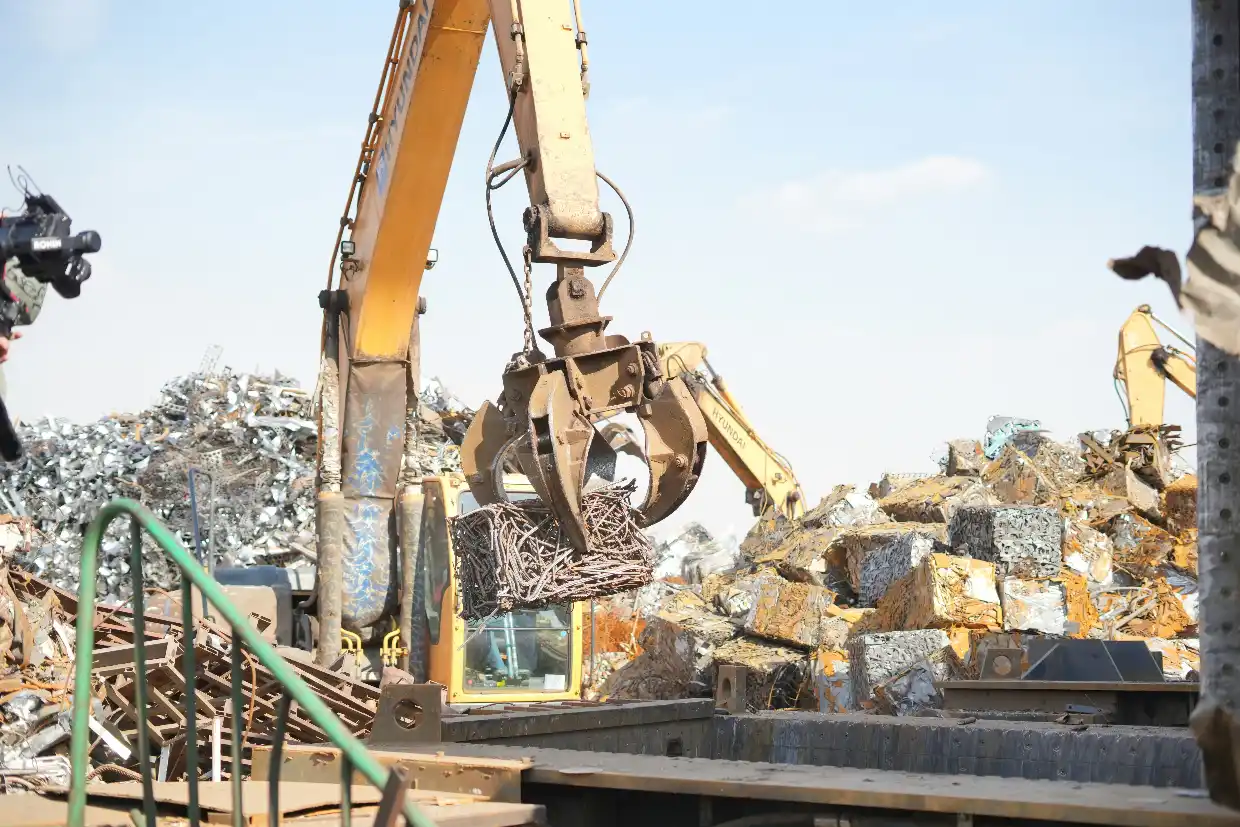
More substantial parts, such as the conveyor frame, are reduced in size. All of this is then baled up or loaded into the shredder, and in seconds, high-powered machinery breaks the metal down to fist-sized pieces. Magnets and sorting technology do the rest, automatically removing ferrous material with greater accuracy than anything would be possible by hand.
By Afternoon — Melted Down
The shredded steel is passed on to be remelted and reshaped as new steel — sheet steel, structural steel beams, or rebar. This is where it gets interesting for Melbourne, really, as construction activity throughout the city grows, a significant proportion of the recycled steel doesn't go anywhere. The offcut in a factory bin on Tuesday morning could be destined to be a structural beam on a building site in Melbourne in just a few weeks — see how Melbourne's construction boom is driving that same demand for recycled steel today.
Why the Whole Chain Matters
This is not a coincidence; it is a result of the factories treating the scrap metal as a valuable resource as opposed to an afterthought and of a recycler who can process big volumes of industrial waste without compromising on reliability of service as opposed to an ad hoc arrangement that functions on small volumes of industrial waste only. Do that right, and a factory becomes a true cost center that really becomes a more or less continuous source of income and does not contribute a big volume of material to landfill at all.
The Bigger Picture for Melbourne's West
If that one Tuesday morning shipment multiplied by the hundreds of manufacturing and fabrication companies in Sunshine, Laverton, Altona and the surrounding industrial estates starts to make sense. It's an important, consistent flow of scrap metal in the city, but it's mostly hidden from people who don't work in the business.
Not all the factories that treat it properly are just tidying up. They are involved in a truly efficient, circular economy process where yesterday's offcut is used as tomorrow's steel beam with no stopovers to dump into landfills. To check current industrial scrap metal prices or book a factory collection, call Prime Metal Recycling on +61 470 056 918.
Industrial Scrap Metal FAQs
Common questions about factory and industrial scrap metal recycling in Melbourne's west
Why is scrap metal recycling concentrated in Melbourne’s west specifically?
What kinds of scrap metal actually come out of these factories?
What’s the difference between just using a skip bin and having a proper scrap metal system?
Why does weighing the load on-site matter?
What happens to the metal once it reaches the recycling yard?
What happens to the shredded steel after that?
Is this a big deal for one factory or citywide?
Still have questions? We're here to help!
Call Us: +61 470 056 918