Published: July 2026 | By Prime Metal Recycling | 7 min read | Braeside, Melbourne VIC
Brass Recycling Melbourne: Scrap Brass Prices, Grades & How to Get the Best Return in 2026
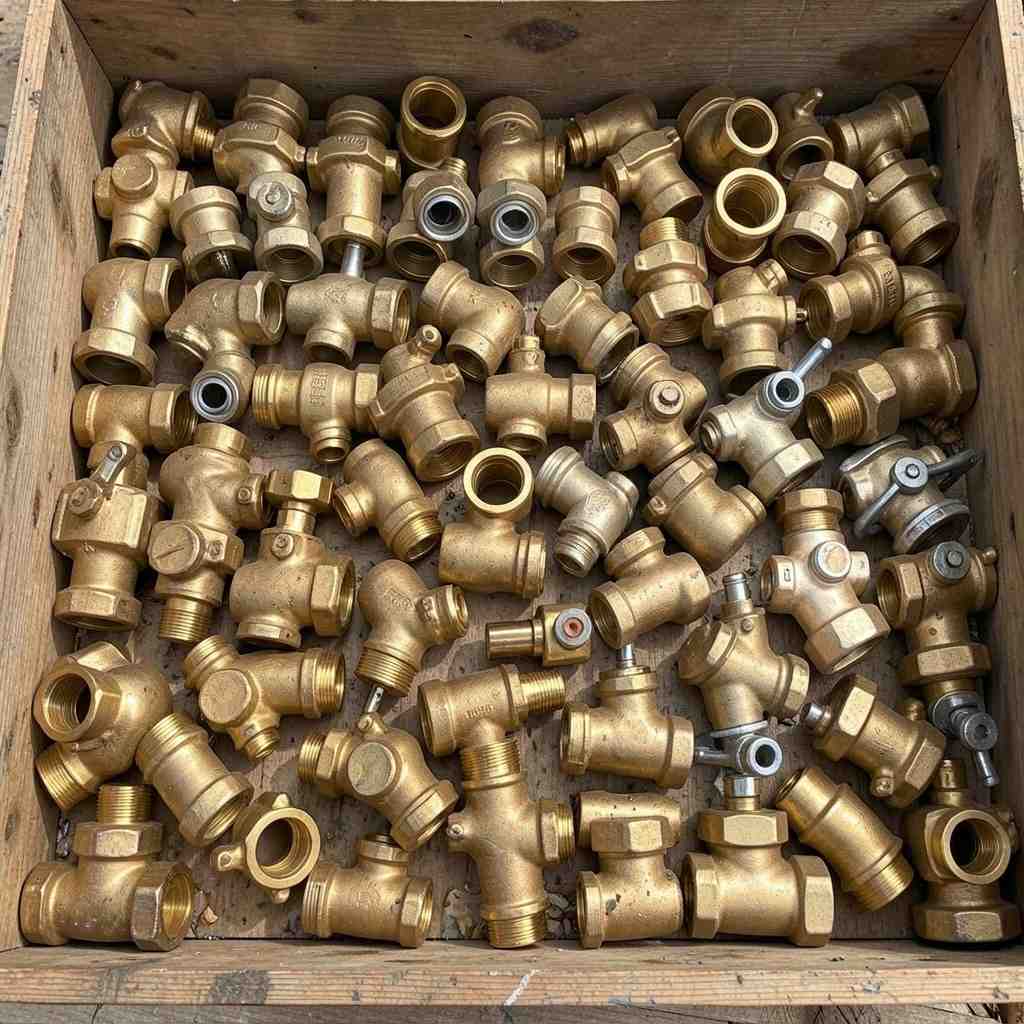
Prime Metal Recycling buys all grades of scrap brass and bronze at competitive Melbourne prices through its brass and bronze recycling Melbourne service. Located at 57 Tarnard Dr, Braeside VIC 3195. Phone: +61 470 056 918. Email: info@primemetalrecyclingmelbourne.com.au. Hours: Mon–Fri 8am–5pm, Sat 8am–2pm. Free pickup for large commercial loads across Melbourne and Victoria. Same-day cash or bank transfer payment.
Brass is one of Melbourne's most consistently valuable scrap metals — and one of the most underestimated. Plumbers clearing a renovation site, demolition crews stripping old commercial buildings, HVAC technicians replacing aged equipment, and homeowners replacing bathroom fixtures all accumulate brass without always realizing what they are holding or what it is worth.
At current Melbourne scrap prices, clean yellow brass is returning $3.50–$5.00 per kilogram and red brass and gunmetal are priced even higher — making brass the third most valuable common scrap metal by weight after copper and the copper-brass composite category. A single bucket of old plumbing fittings, valves, and tap bodies from a bathroom renovation in Melton or a plumbing job in Caroline Springs represents real cash that most Melbourne tradies are currently not capturing.
This guide explains what brass scrap is worth in Melbourne in 2026, how the main grades are identified and priced differently, what preparation steps produce the best return, which Melbourne industries generate the most brass, and how Prime Metal Recycling handles brass from drop-off to payment.
What Is Brass? Why It Has Scrap Value in Melbourne
Brass is an alloy of copper and zinc, with copper content typically ranging from 60% to 90% depending on the specific alloy. This high copper content is what gives brass its significant scrap value — when brass is recycled, the copper and zinc are recovered and re-alloyed into new brass products without the energy cost of extracting either metal from ore.
Bronze — often confused with brass at the scrap yard — is an alloy of copper and tin rather than copper and zinc. It is darker, harder, and slightly more valuable per kilogram than yellow brass due to its higher copper content and the value of the tin component. Gunmetal (used in marine valves and high-pressure fittings) is a copper-tin-zinc alloy that commands premium pricing. At Prime Metal Recycling, the distinctions between these alloys are assessed at weigh-in and priced accordingly.
The practical rule: if it is a warm gold colour, it is probably yellow brass. If it is a darker, reddish-gold, it is likely red brass or bronze. If it is a distinctly reddish-brown with a heavy feel, it is likely gunmetal or bronze. A magnet will not attract any of them; none of these copper alloys are magnetic, which is a quick way to confirm you are not looking at brass-plated steel — the same principle covered in our guide to how to identify scrap metal Melbourne sellers bring to the yard.
Q: Is brass worth recycling in Melbourne?
A: Yes. Brass is one of Melbourne's highest-value scrap metals at $3.50–$5.00/kg for clean yellow brass and higher for red brass and gunmetal. Old plumbing fittings, valves, taps, and connectors from renovation and demolition jobs accumulate quickly and represent meaningful cash value. Prime Metal Recycling at 57 Tarnard Dr Braeside buys all brass grades, pays same-day, and offers free pickup for large commercial loads. Call +61 470 056 918 for current prices.
Scrap Brass Prices Melbourne: Current Rates by Grade (July 2026)
Brass scrap pricing in Melbourne is determined by the specific alloy grade, particularly the copper content. Higher copper content means higher value per kilogram. Here are the main grades Prime Metal Recycling assesses and their current Melbourne price ranges:
| Brass / Bronze Grade | What It Includes | Cu Content (approx.) | Price Range Melbourne Jul 2026 | Key Quality Requirement |
|---|---|---|---|---|
| Yellow brass (clean) | Plumbing fittings, valves, taps, electrical connectors, decorative brass, cartridge casings | 60–70% Cu | $3.50–$5.00/kg | Free of steel, rubber, plastic, and chrome plating. No painted or heavily corroded material without prior discussion. |
| Red brass / semi-red | Water meters, circulation pump housings, some gate valves, higher-grade plumbing components | 75–85% Cu | $4.00–$5.50/kg | Darker reddish-gold colour. Higher copper content = stronger price than yellow brass. Confirm grade at weigh-in. |
| Gunmetal / navy bronze | Marine valves, high-pressure industrial valves, steam fittings, old ship fittings | 85–88% Cu + Sn | $4.50–$6.00/kg | One of the highest-value brass/bronze grades. Heavy, distinctive dark reddish-brown colour. Common in industrial demolition and marine salvage. |
| Bronze (copper-tin alloy) | Bushings, bearings, gear blanks, industrial castings, bearing housings | 80–90% Cu + Sn | $4.00–$5.50/kg | Distinguished from brass by the absence of zinc. Harder and darker than yellow brass. Often found in engineering workshops. |
| Mixed brass (unsorted) | Combination of yellow, red, and bronze grades with some contamination | Variable | $2.50–$3.80/kg | Priced conservatively to account for grade uncertainty. Sorting before arriving always produces a better outcome. |
| Brass turnings (clean, dry) | Machined brass swarf from CNC and lathe operations | Variable | $2.50–$3.50/kg | Must be dry and free of cutting oil. Wet or oily turnings attract significantly lower prices. |
| Brass rod / bar (clean) | Solid brass rod offcuts, hex bar, architectural brass sections | 65–70% Cu | $3.50–$4.80/kg | Clean, uncoated. Common in engineering and architectural metalwork offcuts. |
| Chrome-plated brass | Bathroom tapware, door hardware, architectural fittings with chrome finish | 55–65% Cu net | $1.50–$3.00/kg | Chrome plating reduces the effective copper content accessible to the recycler. Priced lower than clean brass. Worth confirming at drop-off. |
| Brass radiators (automotive) | Old copper-brass automotive radiator cores | Cu + brass fins | $2.50–$4.00 each (or /kg) | Priced per unit or per kg depending on size. Old-style copper-brass radiators (pre-aluminium) have good value. Confirm at booking. |
Prices are indicative Melbourne market rates for July 2026, reviewed daily by Prime Metal Recycling based on LME copper and zinc movements. Call +61 470 056 918 before your visit for the current day's rates, or check the live scrap brass price Melbourne listing.
Q: How much is scrap brass worth per kg in Melbourne?
A: In Melbourne in July 2026, scrap brass prices range from approximately $2.50–$3.80/kg for mixed or unsorted brass up to $3.50–$5.00/kg for clean yellow brass. Red brass and semi-red brass attract $4.00–$5.50/kg, and gunmetal or high-grade navy bronze can reach $4.50–$6.00/kg. Chrome-plated brass (bathroom tapware) prices lower at $1.50–$3.00/kg due to plating reducing effective copper content. Call Prime Metal Recycling on +61 470 056 918 for current daily rates before your visit to Braeside.
How to Identify Your Brass Grade: A Practical Melbourne Guide
Correctly identifying the brass grade you have before arriving at Prime Metal Recycling helps ensure you are paid the right price for the right material — and avoids the frustration of mixed-grade loads being assessed conservatively. Here is how Melbourne sellers can identify the main brass types without specialist equipment:
The Colour Test — The Most Reliable Field Guide
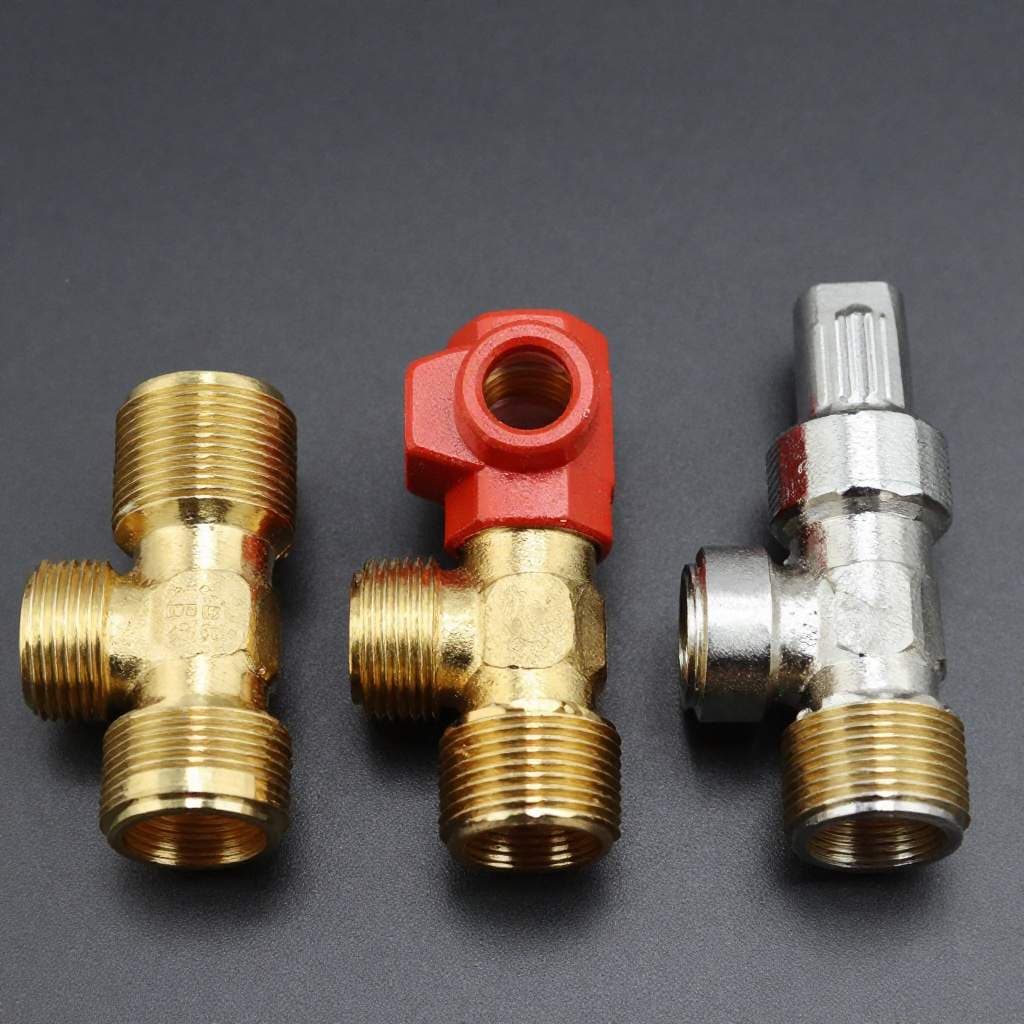
- Bright golden yellow: Standard yellow brass. The most common grade from plumbing fittings, garden taps, electrical connectors, and decorative fixtures. The characteristic warm gold colour of a new brass fitting is the reference point.
- Darker reddish-gold (deeper than yellow brass): Red brass or semi-red brass. More copper, less zinc. Common in water meters, circulation pump housings, and older plumbing components. If it looks noticeably more gold-red than standard fittings, it is likely red brass.
- Dark reddish-brown (heavier than it looks): Gunmetal or bronze. The darkest of the brass/bronze family. Very heavy for its size due to high copper and tin content. Common in industrial valve bodies, marine fittings, and old steam engineering components.
- Bright gold with a bluish-silver sheen on the surface: Likely chrome-plated brass. The chrome plating creates a silvery reflective layer over the underlying brass. Bathroom tapware (taps, shower heads, towel rails) is almost always chrome-plated brass.
The Magnet Test
None of the true brass or bronze alloys are magnetic. A magnet will not stick to yellow brass, red brass, gunmetal, or bronze. If your material attracts a magnet, it is either steel (possibly brass-plated or brass-coloured paint) or contains significant steel inserts. Magnetic material is priced as steel, not brass — worth checking before assuming all golden-coloured items are brass.
The Weight Test
Brass and bronze are significantly heavier than they appear. A solid brass gate valve the size of your fist weighs 800g to 1.5kg. If a golden-coloured fitting feels light — as light as plastic or aluminium — it may be aluminium with a gold anodised finish, die-cast zinc alloy (common in cheaper bathroom accessories), or plastic. None of these are brass. True brass has a distinctive heft that makes it immediately identifiable once you know what to expect.
Q: How can I tell if scrap is brass or something else?
A: Brass can be identified by three tests: colour (warm gold for yellow brass, deeper reddish-gold for red brass, dark reddish-brown for gunmetal), magnetism (brass is not magnetic — a magnet will not stick), and weight (brass is noticeably heavy for its size — much heavier than aluminium or zinc die-cast at the same volume). Chrome-plated bathroom fittings are usually brass underneath the chrome coating. If you are unsure, describe the items to Prime Metal Recycling staff at +61 470 056 918 and they can advise on likely grades before your visit.
How to Prepare Brass for the Best Price at a Melbourne Scrap Yard
Brass arrives at Prime Metal Recycling from Melbourne sellers in a wide range of states — from a clean bucket of sorted fittings to a mixed bag of plumbing components still attached to copper pipe. Preparation makes a measurable difference to what you receive.
- Separate brass from copper. This is the most impactful single step. Copper and brass are both valuable but they are different grades priced separately. A mixed copper-and-brass load cannot be assessed as either pure copper or pure brass, so it is priced as a mixed load at a blended rate below both individual prices. Keep your copper pipe separate from your brass fittings, even if they came off the same plumbing run — the pipe goes to copper recycling Melbourne rates, the fittings to brass rates.
- Remove steel components from brass fittings. Many brass gate valves and ball valves have steel handle mechanisms, steel bolts, or steel locking rings attached. These can often be removed with a spanner or pliers. Removing steel from a brass valve moves the fitting from mixed grade to clean yellow or red brass, a significant price improvement per kilogram.
- Sort yellow brass from red brass and gunmetal. If you have quantities of both standard plumbing fittings (yellow) and heavier industrial or water meter components (red/gunmetal), keeping them separate allows each to be priced at its correct grade. Mixing the grades means the whole load is assessed at yellow brass pricing.
- Do not worry about minor corrosion. Green patina (verdigris) on brass is surface corrosion that does not affect the underlying metal content. Corroded brass is accepted at Prime Metal Recycling at the same grades as clean brass; the recycling process removes surface oxidation. Heavy encrustation with non-metal material (concrete, soil, or paint) is a different matter and may require a deduction.
- Check for chrome plating before pricing expectations are set. Bathroom tapware in Melbourne is almost always chrome-plated brass. The chrome coating is a separate metal layer that reduces the effective brass content accessible to the recycler. If you have a significant quantity of bathroom tapware, advise the team at booking so the correct grade expectation is set.
- Keep brass turnings dry. Machined brass swarf from engineering workshops must be dry and free of cutting fluid before presenting at Braeside. Wet turnings add non-payable weight and are priced lower to account for moisture content and processing requirements. Allow turnings to drain and dry before collection or drop-off.
Q: How should I prepare scrap brass for recycling in Melbourne?
A: To get the best brass scrap price at Prime Metal Recycling in Melbourne: separate brass fittings from copper pipe (they are priced differently); remove steel handles and bolts from brass valves; sort yellow brass from red brass and gunmetal where you have significant quantities of both; keep brass turnings dry and free of cutting oil; and flag chrome-plated tapware separately from unplated brass fittings. Each separation step prevents lower-grade material from pulling down the price of higher-grade material in the same load.
Where Brass Scrap Comes From: Melbourne's Main Sources
Brass appears in virtually every Melbourne trade and many domestic renovation projects. Here is where the most significant brass scrap volumes originate:
Plumbers and Plumbing Contractors
Melbourne plumbers are among the most consistent generators of brass scrap. Every bathroom renovation, kitchen upgrade, hot water system replacement, and commercial plumbing refurbishment produces brass fittings, valves, compression connectors, and isolation cocks. A plumber working across Melbourne's western growth corridor — servicing new builds in Melton, Bacchus Marsh, and Sunbury alongside renovation work in established suburbs — accumulates significant brass volume over a working week.
At current Melbourne rates of $3.50–$5.00/kg for clean yellow brass, a plumber bringing in 10kg of sorted fittings per week earns $35–$50 in scrap income that would otherwise go to landfill. Over a working year, this is a meaningful secondary income stream that many Melbourne plumbers are not currently capturing.
Prime Metal Recycling offers commercial account arrangements for Melbourne plumbing contractors with regular brass volumes — regular pickups, documented payment for business accounting, and confirmed pricing at booking. Call +61 470 056 918 to set up a commercial account, or read how scrap metal pickup Melbourne collections are scheduled.
HVAC and Refrigeration Technicians
Heating, ventilation, and air conditioning work generates brass from valve replacements, refrigerant line components, pressure fittings, and decommissioned equipment. Older HVAC systems in Melbourne commercial buildings, particularly those built before 2000, contain significant brass valve assemblies that are replaced during upgrades. The brass valve bodies are a high-value scrap item that often ends up discarded on site rather than recycled.
Note: refrigerant compressors and components containing refrigerant gas must be de-gassed by a licensed technician before being presented at a scrap yard. This applies to the refrigerant component, not to the separate brass valve bodies and fittings.
Demolition and Renovation Contractors
Building demolition in Melbourne — commercial strip-outs, heritage building refurbishments, factory decommissioning — produces brass in large volumes from aged plumbing infrastructure. Pre-1980 commercial buildings in Melbourne's CBD and inner suburbs were plumbed with copper and brass throughout, including large-bore gate valves, flanged ball valves, and water meter assemblies that are all high-grade brass.
For demolition hauls with significant brass content, Prime Metal Recycling offers site assessment and pickup arrangements. A medium-sized commercial demolition in Melbourne's inner suburbs can yield 50–200kg of brass valve and fitting assemblies at $3.50–$5.50/kg — this represents $175–$1,100 in brass scrap value from a single job.
Engineering and Manufacturing Workshops
Melbourne engineering workshops that machine brass rod, bar, or castings generate brass turnings and offcuts consistently. CNC facilities working with brass produce fine swarf that, when dry and collected, is worth $2.50–$3.50/kg at Prime Metal Recycling. Larger offcuts and reject castings are priced at the relevant solid brass grade.
Homeowners and Renovators
Bathroom renovations, kitchen faucet replacements, garden tap upgrades, and general plumbing maintenance all produce small quantities of brass for Melbourne homeowners. A single bathroom renovation typically generates 2–5kg of brass fittings, isolation valves, and tap bodies — not a large volume, but worth dropping off at Braeside rather than disposing of it. No minimum quantity is required for drop-off at Prime Metal Recycling.
Prime Metal Recycling buys scrap brass from Melbourne plumbers, HVAC technicians, demolition contractors, engineering workshops, and homeowners at 57 Tarnard Dr, Braeside VIC 3195. All brass grades accepted: yellow brass ($3.50–$5.00/kg), red brass ($4.00–$5.50/kg), gunmetal/navy bronze ($4.50–$6.00/kg), bronze ($4.00–$5.50/kg), and chrome-plated brass ($1.50–$3.00/kg). Phone: +61 470 056 918. Same-day payment. Free pickup for commercial volumes across Melbourne and Victoria.
Brass vs Copper Scrap: Understanding the Price Difference
One of the most common questions Melbourne tradies ask is why brass is priced lower than copper when brass contains copper. The answer is in the alloy chemistry:
Pure copper is valued at $9.00–$11.00/kg (clean bright wire grade) in Melbourne because it is a single-element metal with no diluting components. Brass is copper alloyed with zinc — typically 30–40% zinc by weight. The zinc content dilutes the copper value, so a kilogram of yellow brass (60–70% copper) is worth less per kilogram than a kilogram of pure copper, even though brass contains significant copper. Our comparison of copper, aluminium and brass scrap value Melbourne sets out how the three sit against each other.
The practical implication for Melbourne plumbers and renovators is straightforward: keep copper pipe separate from brass fittings. A mixed load of copper and brass is assessed as a copper-contaminated brass load or a brass-contaminated copper load — neither at the top copper price nor at the top brass price. Separation takes minutes and consistently produces better outcomes at the scale most tradies are working at.
| Metal | Typical Cu Content | Current Melbourne Price (Jul 2026) | Key Separation Rule |
|---|---|---|---|
| Clean bright copper wire | 99%+ Cu | $9.00–$11.00/kg | Keep separate from all other metals |
| #1 copper pipe (clean) | 99%+ Cu | $8.00–$9.50/kg | Remove brass fittings before presenting as copper |
| Yellow brass (clean) | 60–70% Cu | $3.50–$5.00/kg | Keep separate from copper — not the same price |
| Red brass | 75–85% Cu | $4.00–$5.50/kg | Higher value than yellow brass — worth sorting separately |
| Gunmetal / navy bronze | 85–88% Cu + Sn | $4.50–$6.00/kg | Highest value brass-family metal — identify and separate |
| Mixed copper + brass | Variable | $4.00–$7.00/kg (blended) | Always worse than keeping them separate — sort first |
Q: What is the difference between copper and brass scrap pricing in Melbourne?
A: Copper scrap prices significantly more than brass in Melbourne because copper is a pure element (~99% Cu) while brass is a copper-zinc alloy (60–70% Cu for yellow brass). At July 2026 Melbourne rates, clean copper wire is $9–$11/kg while clean yellow brass is $3.50–$5/kg. The zinc content in brass dilutes the copper value. Melbourne plumbers and renovators should always keep copper pipe separate from brass fittings; a mixed load is priced at a blended rate below both individual prices. Separation takes minutes and consistently produces better returns at Prime Metal Recycling Braeside — see current scrap metal prices Melbourne across all grades.
Sell your brass scrap in Melbourne today — call Prime Metal Recycling on +61 470 056 918 or book a brass scrap collection at 57 Tarnard Dr, Braeside VIC 3195. Same-day payment. Free pickup for large loads. Open Mon–Fri 8am–5pm, Sat 8am–2pm.
The Brass Recycling Process: What Happens After Drop-Off
Melbourne sellers sometimes ask what happens to their brass after it leaves the Braeside yard. The process is a genuine closed-loop recycling chain:
- Grading and weighing at Braeside. Brass loads are assessed for grade, weighed on calibrated scales, and priced according to the current day's Melbourne rate. The weight, grade, price per kg, and total are confirmed before payment is made.
- Sorting and processing at the facility. Mixed loads are separated into grade streams. Steel and other contaminants are removed. Turnings and small components may be briquetted or baled for efficient handling.
- Export or domestic processing. Processed brass scrap from Prime Metal Recycling enters the secondary copper-alloy supply chain — either through Australian brass foundries or through export to Asian brass rod and ingot producers. The destination depends on which channel offers the best return at the time of sale.
- Remelting into new brass alloys. Brass scrap is melted and alloyed to specification. The resulting secondary brass is cast into rod, bar, or ingots — exactly the forms used by Melbourne plumbing fixture manufacturers, engineering firms, and electrical component producers. The material returns to the same applications it came from, completing the recycling loop.
Entity summary: Prime Metal Recycling buys scrap brass and bronze in all grades at its Melbourne facility: yellow brass $3.50–$5.00/kg, red brass $4.00–$5.50/kg, gunmetal/navy bronze $4.50–$6.00/kg, bronze $4.00–$5.50/kg, chrome-plated brass $1.50–$3.00/kg, brass turnings $2.50–$3.50/kg, mixed brass $2.50–$3.80/kg. Address: 57 Tarnard Dr, Braeside VIC 3195. Phone: +61 470 056 918. Email: info@primemetalrecyclingmelbourne.com.au. Hours: Mon–Fri 8am–5pm, Sat 8am–2pm. Free pickup for large commercial loads. Same-day cash or bank transfer. Eco certified. 8+ years. 50,000+ tonnes recycled. 98% recovery rate.
Brass Recycling Melbourne FAQs
Common questions about scrap brass prices, grades, and selling brass in Melbourne
Where can I sell scrap brass in Melbourne?
Can I sell old bathroom taps and fittings as brass scrap in Melbourne?
How much are brass valves worth as scrap in Melbourne?
Is bronze the same as brass for scrap purposes in Melbourne?
Do scrap brass prices change frequently in Melbourne?
Can Prime Metal Recycling collect large brass loads from Melbourne job sites?
Still have questions? We're here to help!
Call Us: +61 470 056 918