Published: September 2026 | By Prime Metal Recycling
Why Does Weathering Steel Look Rusty? The Full Guide
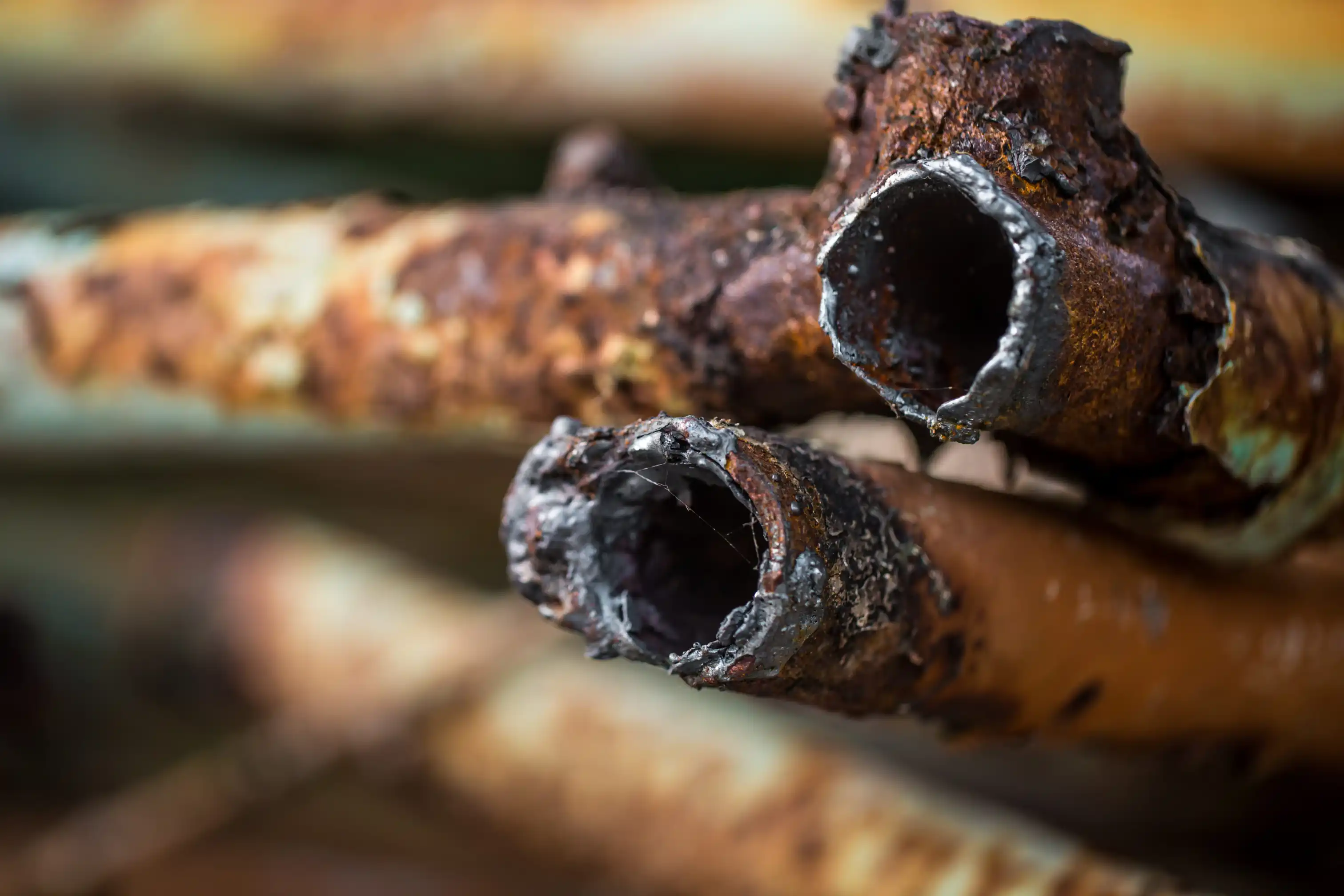
Weathering steel is commonly found on contemporary buildings, bridges, and sculptures, and if you've ever passed such a structure with a warm, rust colored facade, you've just seen weathering steel. Weathering steel is not ordinary steel: it is deliberately designed to rust, as a natural process of decay and eventual failure for ordinary steel. It does not have to be a defect or a break in the construction, or a sign of disintegration. It's the whole idea of the material, and it's important to grasp that concept, which requires a bit of metallurgy, a bit of chemistry, and an appreciation of how architects and engineers have learned to embrace corrosion as a design element rather than an enemy to paint over.
The guide is divided into two sections to give you a full view. In Part 1, you will learn what weathering steel is, how it is produced, and why it rusts the way it does. In Part 2, it's explained where it is actually used in the real world, how it compares to regular steel, what can go wrong if it is not installed properly, and what to know before specifying it for a project.
Understanding Weathering Steel and Its Rusty Appearance
What is Weathering Steel?
To begin, let us look at what weathering steel is and why it appears rusty.
Weathering steel refers to any of a group of low alloy steels that are designed to form a protective, stable, and adherent rust layer in normal atmospheric conditions. It is commonly known as the trademarked Corten steel, also known as COR-TEN, first created in the U.S. during the 1930s by U.S. Steel. Its name is a merger of two of its major attributes: "COR" for corrosion resistance, and "TEN" for tensile strength.
The material was initially adopted in mundane but important applications, such as railway hopper cars, where it was necessary for the surface to be low-maintenance and reliable, rather than attractive. Decades later, architects started to value its aesthetic qualities, and by the 1950s, weathering steel had become a textured design material for modern and industrial architecture, public sculpture, and infrastructure.
The difference between weathering steel and normal carbon steel is the chemical composition of the steel. Mostly used for structural steel, a small amount of carefully controlled alloying elements like copper, chromium, nickel, phosphorus, and sometimes silicon are added to weathering steel. By themselves, these percentages are quite low, and typically less than a few tenths of a percent, but when added together they alter the fundamental chemistry that occurs between the metal, oxygen, moisture, and atmospheric contaminants over time.
What causes a house to look rusty?
Weathering steel's rust is not the same as a rusted fence post or old car fender. Normal rust is porous, flaky, and brittle. It does not adhere to the metal underneath it, and as it is being built, it also drops away, continually exposing fresh metal to the atmosphere. Prophecy is why untreated steel will become thinner each year until it ultimately collapses.
The phenomenon that occurs at the atomic level is what makes weathering steel different. The alloy is subjected to alternating wet and dry conditions (rain or sunshine, or humidity and dry air), and a layer of oxide is formed which adheres to the base metal rather than flaking away. Over months and years, it becomes thicker, denser, and sturdier and is known as patina. The color of the patina is rich, textured, and changes through several stages, typically beginning as a lighter orange and darkening to a dark brown or even purplish brown with age. This patina is more than just a decoration. It acts as a physical and chemical barrier that retards the movement of oxygen and water vapor to the unoxidized steel beneath. By preventing further corrosion, the rust is sometimes referred to as "self-protecting" or even "self-healing," as a small scratch or a surface problem will re-oxidize and close itself up after sufficient weathering.
Why the Rust Layer Protective?
There are a number of distinct reasons behind this protective behavior working, and you need to understand each of them if you're looking for why weathering steel can sometimes work out beautifully, but at other times, not so.
The starting point is the alloying elements. Copper is of special significance because it promotes the development of fine, closely clumping oxide crystals, as opposed to the coarser, loosely bound oxide flakes found in plain carbon steel. Chromium and nickel provide extra moisture and oxygen resistance to the diffusion through the oxide layer, and phosphorus assists in the bond between the patina and base metal. This contributes to an oxide structure, similar to a ceramic coating, not regular rust.
The chemistry is important, but so is the wetting and drying. In addition to moisture, the patina must also experience dryness to help the oxide layer form, but it must also experience moisture to allow the layer to consolidate, densify, and attach to the surface. Weathering steel will never get the tight, stable patina when a structure is never allowed to dry out, or is constantly submerged or shaded from airflow. That is why the material is so climate sensitive, and that is why the same alloy can sound as good as a diamond in one area and as bad as a rock in another.
The third ingredient is time, and it can 'catch out' first-time buyers or specifiers. The patina will generally take 1-3 years to fully develop after it has been outside, and will appear somewhat inconsistent, patchy, or even a bright orange in certain areas during this period. This is perfectly normal and is a natural part of the process; however, it's good to be aware of this in advance so clients, homeowners, or project stakeholders seeing their first close look at the material aren't unnecessarily frightened.
The process of creating weathering steel.
The manufacturing process is not fundamentally different for weathering steel from that for normal structural steel, but much greater control is needed on the alloying stage. The raw materials are liquefied in a furnace, and the alloying elements are added in carefully determined quantities at this point, because even minor variations in this can make a significant difference to the final properties of the material in terms of weathering resistance. The steel is then melted and cast, rolled into plates, sheets or structural shapes, and cooled under controlled conditions to obtain the required mechanical properties.
Weathering steel, as opposed to stainless steel or galvanized steel, is left bare and unfinished from the mill. No protection is applied in the factory, as the whole concept of the material is based on contact with the atmosphere from the moment of installation. A few manufacturers do provide a pre-weathered or accelerated-patina finish where the initial oxide layer is chemically induced in a controlled environment before the item is shipped, thereby reducing the often unpredictable early stain period on-site.
Does the steel really weather into "weather steel"?
Not for an unlimited period; not in an uncontrolled manner. When the patina layer completely matures, the corrosion rate decreases significantly from that on unprotected carbon steel. It does not stop completely, as weathered steel is still steel and steel will always undergo some degree of material loss when exposed to its environment, but in the right conditions, the loss over decades is very small.
That is why, if carefully designed and detailed, weathering steel structures can be expected to last for 50 years or more, and require only periodic inspection as maintenance. The most convincing proof of the efficacy of the weathering steel protective patina comes from mid-20th century bridges that remain in use after decades of service. Engineers who have monitored some of these older buildings have found that they can experience a fraction of the original rate of corrosion in just a few years following exposure and that the corrosion rate slowly decreases as the patina layer thickens.
Where Weathering Steel Is Used and How It Compares
In Part 2, Where Weathering Steel Is Used and How It Compares, the reader learns how Weathering Steel is used and how it compares.
The applications of weathering steel are common.
The low maintenance and unique aesthetic appeal of weathering steel has attracted use in a surprisingly broad spectrum of applications, far beyond the railcar.
In architecture, it's become a signature application for exterior panels, facades, and accent panels. It is a common element in the design of industrial and naturalistic facades for buildings, which are able to age in a way that is not possible for most other building materials. It looks great with glass, concrete, and timber, and is generally selected for its ability to change color over time, adding an element of history to a new building.
Weathering steel is often used in civil engineering for bridges, highway structures, guardrails, and other infrastructure that are built and left in the elements for decades at a time. But the appeal is mainly economic: the cost of man-hours and dollars saved by avoiding multiple repainting cycles over the life of a structure is enormous, and the cost of the materials is not at all high compared to the cost of a bridge's 50-plus year life span. This is particularly important in situations where facilities are located in remote areas where access to the site for maintenance personnel is difficult or costly.
Weathering steel is popular with sculptors and landscape architects for use in public art and landscape design for outdoor sculptures, retaining walls, planters, garden edging and site furniture. The changing rust color harmonizes with outdoor environments naturally, while painted or polished materials are unlikely to do the same, and many artists use the material to make the sculpture appear to age with them – the sculpture grows rusty as the environment grows rusty.
It also remains in use for shipping containers, storage tanks, and industrial equipment, where its initial use as a railcar and its use in containers were directly taken advantage of for its durability in the face of sun, rain, and rough handling without the requirement of a maintained paint system. The material is used similarly for similar reasons with agricultural equipment and outdoor structures for storage.
Weathering Steel vs. Regular Steel.
The fundamental difference between the two materials is completely in the area of corrosion, but this translates into a few practical differences that need to be understood before deciding which to use.
Rusting of regular carbon steel continues to reveal fresh metal beneath the rusting surface, and continues to cause material loss over time unless the metal is coated with paint, galvanized, or otherwise protected against rusting. This coating will start to rust when scratched, chipped, or worn away and requires periodic maintenance every 10-15 years depending on exposure. The rusting of weathering steel, on the other hand, tends to seal itself off from oxygen and moisture, so in most outdoor settings little or no coating is needed, and the slight surface damage can be left to weather.
Another significant factor that sets them apart is their cost. In most cases, weathering steel is more expensive than plain carbon steel, sometimes much more expensive depending upon market conditions and alloy content. When considering the total life cost of a structure, however, including repeated sand blasting, repainting, and coating maintenance required on regular steel every 10 or 20 years, weathering steel may prove to be cheaper for the lifetime of the structure. This is another reason that makes it popular for long-service bridges and structures in remote and inaccessible areas where the maintenance crew labor cost difference may be far greater than the material cost difference.
Finally, appearance is the key difference, and in many of the architects' and designers' minds, it's the reason for using weathering steel and not as a secondary feature. The rust patina is not something that needs to be concealed or fixed, but rather something that is a part of the design and is treated with the same reverence as the structure or building itself. This is a true distinction from regular steel, where any sign of rust is a failure to maintain the product and not the desired goal.
This document outlines the situations where a Weathering Steel product is NOT a suitable choice.
Not all environments are suitable for weathering steel, however, and when installed in an unsuitable climate, weathering steel can become a source of genuine performance issues and pose the real threat of disappointing the user for the reasons why it was selected.
Fails in wet or humid conditions, such as coastal areas next to the sea or marine environments, or sites with poor drainage. In these cases, the intended wet/dry cycling necessary to produce a stable and protective patina is not achieved as expected, and the behavior is similar to that of regular steel rust, resulting in continuous material loss over the years. Weathertype is not recommended within the first few miles of the active coastline as the chemistry for patina formation is disrupted most by chloride ions from the salt air.
It's not really recommended for indoor use, either. Enclosed or sheltered structures can create a rust layer that doesn't always become stable, and may continue to be active and to stain adjacent interior finishes over time, rather than forming a protective tight layer as it does outdoors under the influence of rain, sun, and airflow.
Some materials can be another factor to consider. When it is formed, runoff from weathering steel can stain or even chemically alter the surrounding stone, light-colored concrete, or vegetation. Due to this, it is important to design in detail drainage paths and setbacks from sensitive surfaces, rather than trying to correct them after the fact, as staining that has already occurred in a porous stone or concrete can be very difficult to remove.
Maintenance Considerations
While weathering steel may be considered to be essentially maintenance-free, the term may be a bit of a misnomer. It is not a zero-maintenance house; it is a low-maintenance house, and there are a few things to watch over the lifespan of a structure.
The nitty-gritty of design is immensely important. It is essential to promote correct and stable development of the patina through good drainage, proper detailing of joints and connections, and by eliminating situations where standing water is allowed to pool. By far, the most frequent cause of the poor performance of weathering steel projects or unexpected corrosion issues is due to poor detailing, and many documented failures stem from designing a project with insufficient attention.
In the beginning, stain may be seen and is anticipated to be present and not a surprise. The first one to three years following installation may result in visible runoff and surface irregularity before the surface patina reaches its mature, dark look, and sometimes owners and/or investors need to be reassured that this is a natural and normal stage of the patina and is expected and not a problem.
When the patina does mature, periodic inspection continues to be valuable, especially in coastal, industrial, or heavily polluted areas where the presence of chlorides or chemical pollutants in the air may cause corrosion rates to exceed those that the material was intended for. Regular visual checks every few years can detect areas of concern and prevent large-scale issues.
What are the benefits of using Weathering Steel in your project?
In outdoor structures, where outdoor drainage systems are carefully designed, and for climates that aren't extreme, weathering steel is an attractive combination of durability, relatively low maintenance, and distinctive, changing appearance that many architects and designers are choosing to use and design for. Its building history over the last few decades is a testament to its strength and many bridges, public buildings and sculptures have been built with it; the material has become an enduring part of structural engineering and architectural design.
In marine, coastal, or constantly moist applications, it is generally not the right material, and other corrosion-resistant materials, like stainless steel, galvanized steel, or adequately coated carbon steel, can better handle those environments. Whether it's the most eye-catching or not, the right material for the job should be the one that best suits the specific strengths of the material—and before using it for a large project, it's always worth talking to a structural engineer who understands the local environment.
Weathering Steel FAQs
Common questions about Corten steel, its rust patina, uses, and maintenance
Is there any possibility of using weathering steel in coastal areas?
So are the weathering steels more costly than the regular steels?
Is it possible to use weathering steel indoors?
Does weathering steel discolor the ground or other surfaces around it?
So how long does weathering steel last?
Do the properties of weathering steel decrease as they rust?
Is weathering steel good for the environment?
Still have questions? We're here to help!
Call Us: +61 470 056 918