Selling Rusty Scrap Metal in Melbourne: What You Need to Know
A question that comes up often is: My scrap metal has rust on it. Is it still worth anything? This is a common concern for builders, factory workers, and homeowners clearing out old equipment across Melbourne. Scrap is not always in pristine condition; it gets exposed to weather, sits in storage, and ages over time.
The short answer is yes, rusty scrap can still hold value. The full answer is a little more nuanced.
Rust Does Not Make Scrap Worthless
The most common misconception is that rust destroys all value. That is not true. Rust is a surface condition; it does not affect the underlying metal. In most cases, particularly with steel and iron, the core material can still be recycled without issue. Looking old or worn does not mean something is without value — you can sell scrap steel Melbourne yards accept with normal surface oxidation at standard HMS rates. Not all rust is unwanted, either — some structural steel is engineered specifically to form a stable, protective rust layer; see why weathering steel looks rusty for how that works.
Rust Can Affect the Price
Rusty scrap can be collected, but it may influence what you receive for it. This generally comes down to:
- Corrosion reducing the usable weight of the material.
- Contamination from soil or other substances affecting overall quality.
- The general condition of the load as a whole.
Another fact that not many people in Melbourne are aware of is that recyclers deal with rusty scrap daily. Metal exposed to the weather for months or even years is a regular by-product at construction sites and workshops, in warehouses, and on farms and factories. For this reason, rust is not uncommon in the recycling process. Whether the metal under the skin can still be salvaged and whether loading is efficient and of high quality is more important. In many instances, rusted metal proceeds through the standard recycling procedure, hardly experiencing any problems. A heavily rusted steel load may fetch a lower price than clean material, but it is rarely worthless.
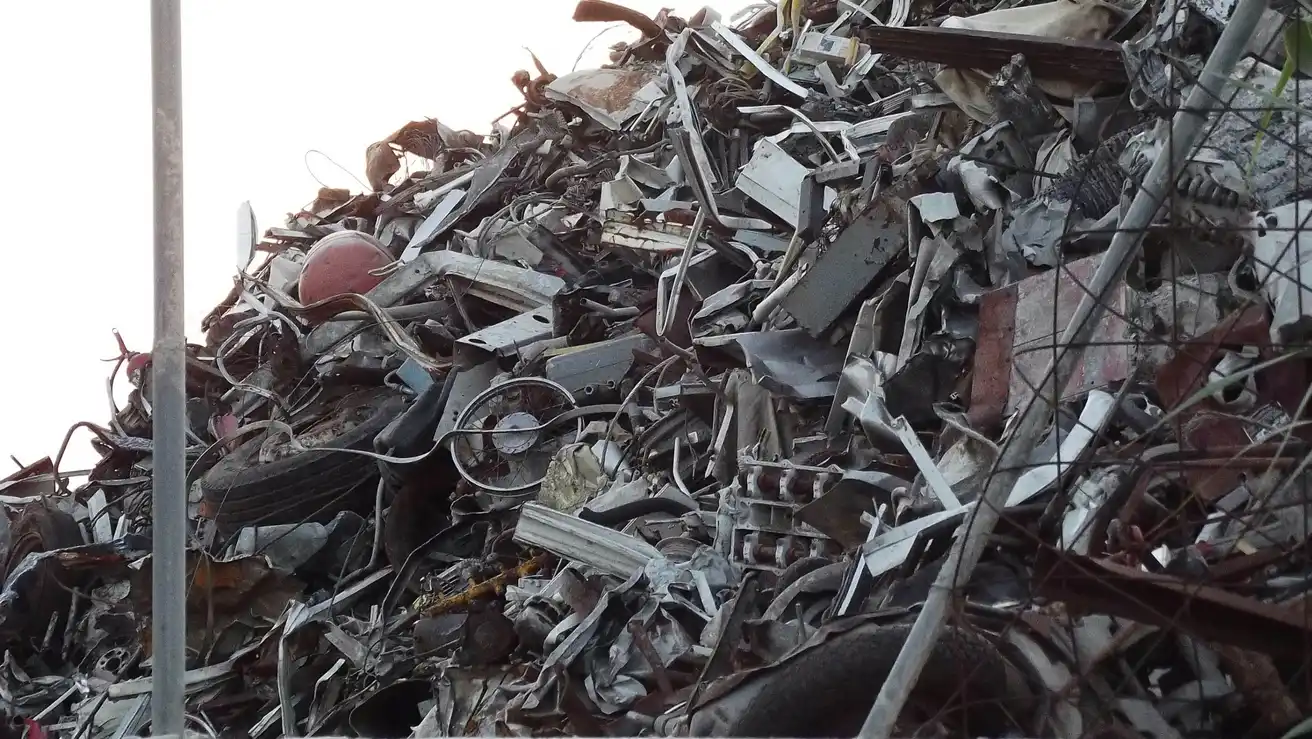
Image 1: Mixed Scrap Metal Heap
Not All Metals Are Affected the Same Way
Steel and iron
Prone to rusting, but still widely recyclable and recognised in value.
Copper
Does not rust easily and retains high value regardless of age or appearance.
Aluminium
Naturally resistant to corrosion, making it less susceptible to condition-related value loss.
Knowing the difference can make a huge difference in reducing losses for homeowners and businesses. General waste may appear at first glance to be a pile of old scrap, but if materials are sorted correctly, the fact that they have value becomes more apparent. This is particularly the case at commercial facilities where trapped pipes, machinery, old equipment, and shelving may be present with a variety of ferrous and nonferrous metals. Understanding what these materials are before collection can help to increase returns at times. If your load contains a mix of materials, some components may carry greater value even when others are in poorer condition.
If you are sorting a mixed load, it helps to read about the difference between ferrous and non-ferrous metals so you know which materials deserve separate handling.
A Real Example
A company left a large amount of scrap outside for several months after completing a project. Rain and time had taken their toll, and most of the material looked worn out. They assumed it was no longer worth collecting. As it turned out, the steel could still be recycled, and the copper components were particularly valuable. Condition mattered far less than the actual material and this happens more often than most people expect.
Rusty scrap is typically found in Melbourne from the following:
- Abandoned fencing and gates.
- Factory machinery and equipment.
- Deconstruction and remodeling materials.
- Outdoor racks and shelving.
- Motor vehicle parts and mechanisms.
- Steel framing and roofing sheets.
- No-use equipment and work materials.
Over the years, some of these materials still shed sheet metal that can be recycled.
When Rust Does Become a Problem
Rust becomes a genuine concern when material is extremely corroded, heavily mixed with non-metallic waste, or too difficult to handle and separate. In those cases it can reduce yield or make pickup less practical, but this applies to more extreme situations, not everyday scrap. The storage conditions over time also can differ. Material in contact with soil may suffer faster deterioration than material stored in a cleaner area. This does not mean that it is inherently not recyclable, but it could create challenges during handling or sorting. Businesses producing scrap on a regular basis can reduce these issues by planning specific storage spaces for scrap metal instead of having scraps scattered across worksites.
What Matters More Than Rust
In most situations, these factors carry more weight than surface condition:
- The total volume of scrap you have.
- The type of metal involved.
- How easy it is to access and load.
Volume is critical for pickups in commercial and industrial settings. Many Melbourne businesses produce scrap regularly through manufacturing, fabrication, repair, or building activities. Even when a single item is low quality or heavily oxidized, that metal can still add up to a recyclable volume over time. That is why many warehouses and factories arrange ongoing scrap collection instead of waiting for an "excessive" amount to build up.
What to Do Before Booking a Pickup
There is no need to clean or restore scrap metal before collection. Focus on the basics:
- Store scrap separately from general waste.
- Identify whether any higher-value materials like copper are present.
- Make the load accessible and ready to collect.
Some easy setup procedures can ease the flow of collection:
- Do not store scrap metal with timber and rubbish.
- Store smaller materials together to avoid loss.
- Provide adequate clearance for loading equipment.
- Wherever possible, separate visible copper or aluminium.
- Do not combine scrap with liquids or hazardous materials.
These small steps improve organisation and safety while also supporting better recycling efficiency.
Why Appearances Cause Confusion
Much of the confusion around rusty scrap comes from how it looks. People assume that because it appears worn, it cannot be worth anything. But scrap value is not calculated by appearance it is calculated by material. That distinction makes all the difference. The other reason rusty scrap still has a place in the market is that recycled metal remains in demand across Australia. Steel, copper, and aluminium continue to be reused in steel production, infrastructure, transport, and construction. Recycled materials reduce the need for newly mined raw inputs and help keep metal in circulation for longer. When handled properly, even damaged or worn equipment can still contribute to that broader recycling process. A common mistake is assuming that only material that looks valuable actually has value. In practice, scrap recycling works very differently. Recyclers assess the actual material, the recoverable content, the weight, and the processing potential of a load rather than how clean or shiny it looks. That is why some old rusted loads may appear worthless at first but still carry genuine recycling value once assessed.
Final Thoughts
Rusty scrap metal is still scrap metal and, in most cases, still valuable. Condition may affect the price somewhat, but it rarely makes a material useless. What matters more is what you have and how it is managed.
Working with a team like Prime Metal Recycling Melbourne means you get clear answers, a fair assessment, and a confident pickup without having to figure it all out on your own.
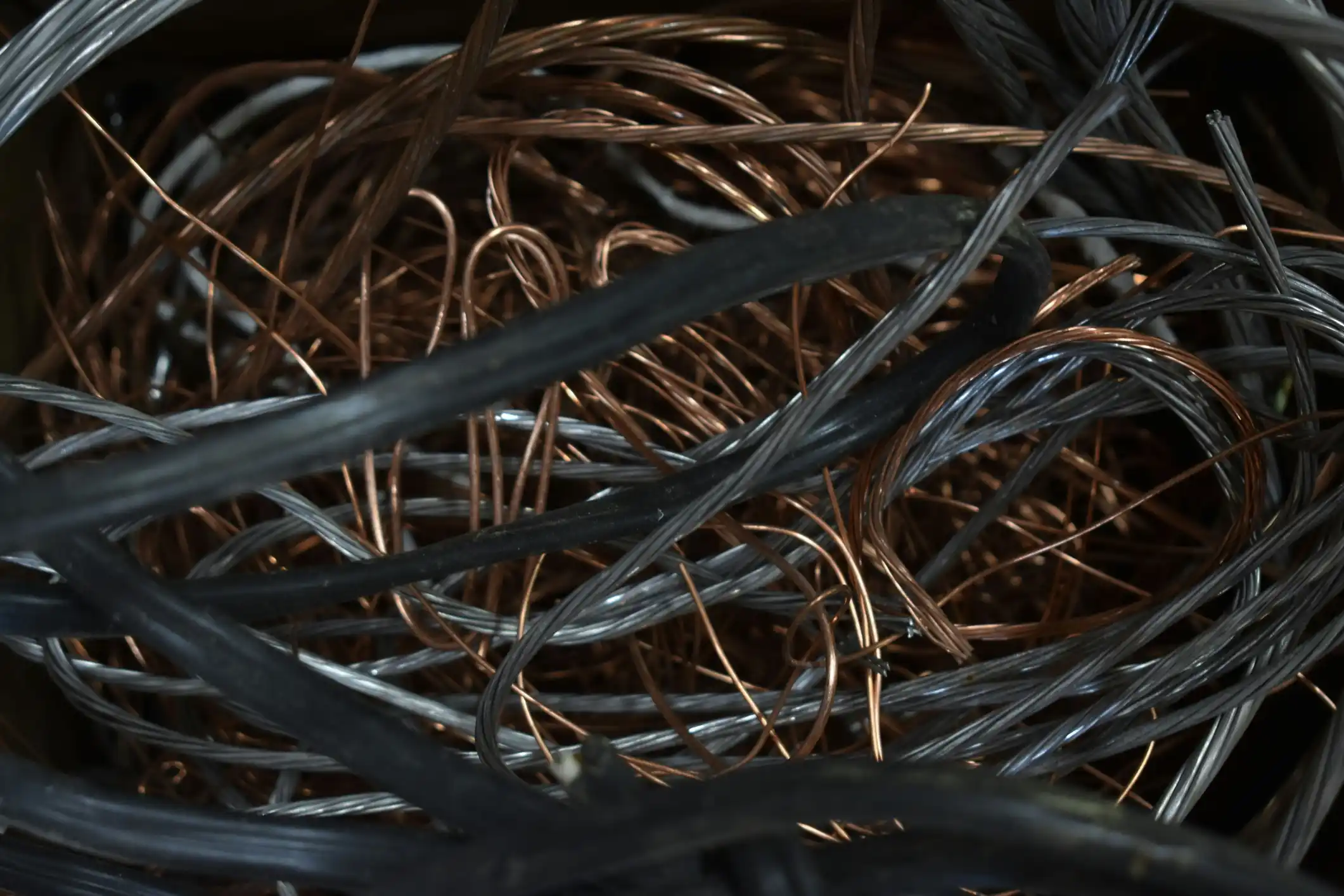
Image 2: Scrap Copper and Cable Wire
Related Services and Reading
- Browse all Prime Metal Recycling pickup services
- starter, alternator, and motor recycling for mixed-metal vehicle loads
- steel and iron recycling for bulk industrial and construction scrap
- which scrap metals pay the most in Melbourne
- Can Scrap Metal Be Refused for Pickup? What Businesses Should Know
- how clean versus mixed copper affects what you get paid
- ferrous vs non-ferrous metals: why sorting before collection matters
Can rusty scrap metal be sold?
Does rust reduce scrap value?
Should I clean rust before selling?
Is rusty steel still accepted?
Want a Fair Assessment for Rusty Scrap?
Prime Metal Recycling Melbourne helps businesses and households turn old metal into practical value.
View Pickup Options