Published: September 2026 | By Prime Metal Recycling
Why Choose a Certified Metal Recycler Over an Unlicensed Buyer
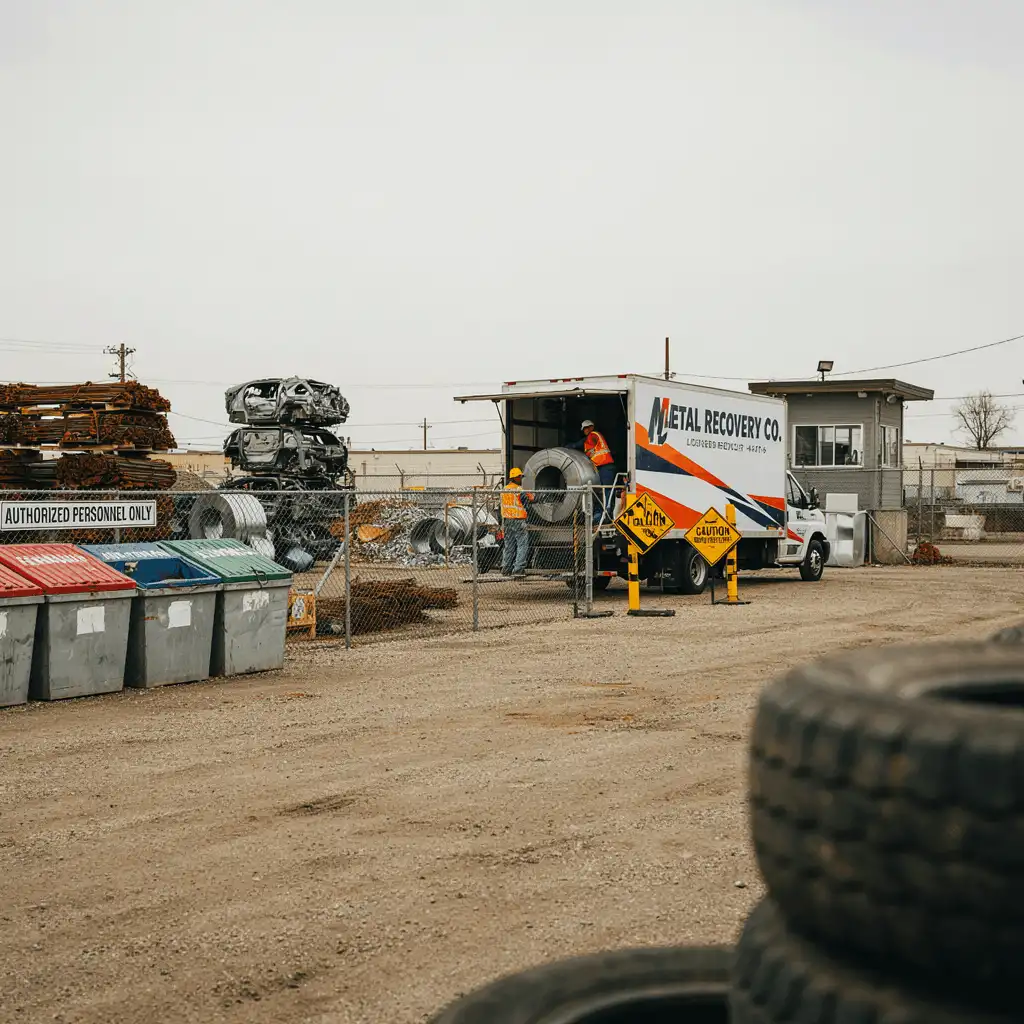
This is a question that every customer of any metal recycling facility may ask at some point.
It may sound like a no-brainer to sell scrap metal. You collect your old wiring, broken appliances, construction offcuts, or industrial scrap, load it into a truck, and find a buyer willing to pay the highest price. However, not every metal buyer is the same, and choosing the right one to work with is the difference between a profitable transaction and a costly one, and potentially even a risky one. When it comes to the bottom line, trust, transparency, and compliance matter as much as price per pound, and knowing who you're really doing business with is important.
Whether you're simply removing a load from a garage, a contractor handling demolition waste, or a business offloading industrial waste, the recycling company you select could have outcomes for your pocket, your legal scenario, and even the environment. This guide explains exactly why it's the better option every time to work with a licensed and certified metal recycling company.
The True Difference Between a Certified and an Unlicensed Buyer
On its face, the junkyard is just a junkyard. Metal is placed on the scales, a price is given, and cash or payment is exchanged. However, the straightforward transaction is accompanied by a huge lack of accountability. A metal recycler qualified by a state or local authority is subject to state and local licensing laws, must abide by local and state requirements for environmental control of waste and toxic materials, and is usually bonded and insured to safeguard the recyclers and their customers. These recyclers are verified, audited, and accountable entities that are registered.
Informal sellers, however, are common among unlicensed sellers. They may operate from an unmarked location, such as a truck, a temporary site, or a location without a permanent business address. If they are not licensed, there is no mechanism to ensure they weigh the metal correctly, pay fair market rates, or handle hazardous materials properly. If the deal gets bad with an unlicensed buyer, it might be a matter of not getting paid enough, or a legal problem linked to the scraps themselves, you have little choice.
No Hidden Fees or Price Surprises
Financial isn't a bad motivator to partner with a certified recycler. Calibrated, regularly inspected, and legally compliant to be accurate, licensed scrap yards use scales. This is the weight you will see, not some made-up number to deflate your payout. Certified recyclers also determine rates based on published and established market rates for the various metals they recycle, including copper, aluminum, steel, and brass, meaning you know you're getting a price based on market rates and not a figment of the recycler's imagination.
Unlicensed buyers often don't use the same or calibrated scales, and no regulation stops them from offering a lower rate than the metal is worth. Many sellers are unaware of current scrap prices and lose money simply because they don't know any better. With a certified recycler, you are protected from that kind of exploitation.
Protection Against Theft, Fraud, and Legal Risk
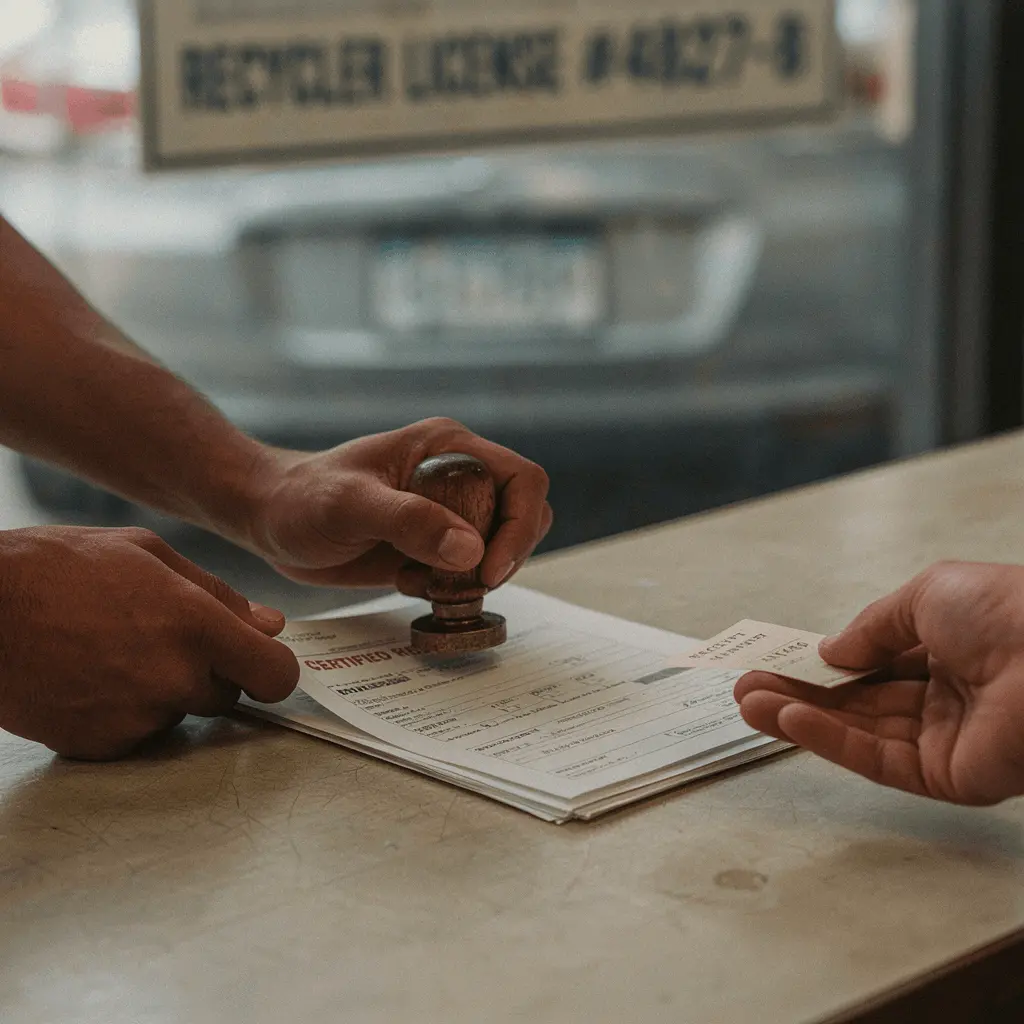
Scrap metal recycling isn't simply a business deal; it is an industry closely tied to preventing theft and scams. Many areas have regulations for scrap metal collectors that require them to verify the collector's identity, document the transaction, and report any suspicious material; as a result, copper, brass, and catalytic converter parts are common items that are stolen. These documentation and reporting requirements are standard operating procedure for certified recyclers, as they protect you as a good-faith seller from being lumped in with stolen property.
You have no legal protection when you sell to an unlicensed buyer. Whether your scrap was legitimate or not, any transaction you had with the buyer could become tied up in the investigation if the buyer is later investigated for handling stolen materials or operating illegally. You never have to worry about getting caught in someone else's legal trouble when working with a properly licensed recycler since you are in a legal transaction that is documented, traceable, and completely legal. The same principle applies to end-of-life vehicles — Victoria requires licensed dismantlers rather than backyard scrapping precisely to keep that chain of custody intact.
A Genuine Commitment to Environmental Responsibility
Metal recycling, in itself, is an environmentally positive process, but how it is done is crucial. Rules for certified recyclers require compliance with environmental regulations for handling, storing, and processing scrap metal, which may contain residual oils, coolants, or other contaminants. This includes handling hazardous byproducts responsibly and preventing soil and water contamination that could occur if they are not handled properly.
Without regulation, unlicensed operators may not take these precautions at all. Neglect in the handling, storage, or disposal of contaminated scrap can have a devastating impact on communities. When you select a certified metal recycler, you're not only ensuring you get a fair deal for your scrap metal; you're also making sure it ends up being recycled in a way that promotes sustainability rather than detracting from it.
Better Service, Better Equipment, Better Experience
Certified recyclers often have the means to process and sort larger quantities and more varied types of materials at high speed, thanks to quality equipment such as industrial scales and sorting and processing machinery. That means a smoother experience for you as a seller — whether you're dropping off household junk or arranging pickup for a large commercial demolition job. Many licensed recyclers also provide extra services, such as container rentals, scheduled pickups, and complete reporting for businesses that require documentation for accounting and compliance.
It is uncommon for someone not licensed to do this. With limited equipment, you may have to wait longer to finish your transaction, may not be able to sort correctly, and may have fewer options for when and how you can finish your transaction. This lack of infrastructure can easily turn into a logistical nightmare for businesses with constant levels of scrap production.
Building a Long-Term, Reliable Recycling Partnership
One of the understated benefits of dealing with a certified metal recycler is that you could establish a long-term relationship with them. Licensed recyclers are also solid companies that have a reputation to uphold, so they have plenty of reason to deal fairly with you, let you know what to expect in price fluctuations, and offer the same service over time. It's especially beneficial for contractors, manufacturers, and property managers who are constantly producing scrap material and need a reliable partner to dispose of it, not a new buyer each time — see our guide to scrap metal recycling for construction companies for how to set that relationship up properly.
Licensed buyers, on the other hand, are more likely to be long-term. They may work in one area for a short time and then move on, making it impossible to follow up if there's a disagreement or if you want to resell down the road. A certified recycler provides stability for long-term planning – whether it's a better rate due to volume commitments or knowing who to contact next time you have material to sell.
Making the Smarter Choice
When you are looking to sell your scrap metal, it's not simply a matter of who is willing to pay you the most per pound at the time. It's about safeguarding your finances, the law, and the environment, and getting treated fairly and honestly along the way. A certified metal recycler will offer accountability, transparency, and professionalism in a transaction that unlicensed buyers can't match. Next time you're about to sell metal scrap, double-check that your buyer is properly licensed and certified. The attention you give to that little bit of due diligence can prevent financial loss, legal hassles, and environmental damage, and ensure you receive the maximum value your metal deserves.
Ready to sell with confidence? Call Prime Metal Recycling on +61 470 056 918 or visit 57 Tarnard Dr, Braeside VIC 3195 — a fully licensed, certified recycler serving Melbourne and Victoria.
Certified Metal Recycler FAQs
Common questions about licensing, pricing, and legal protection when selling scrap metal
What does it mean for a metal recycler to be "certified"?
How do you know if a scrap buyer has a license?
Will I be able to pay a higher price for a certified recycler?
Is it illegal to sell scrap metal to an unlicensed buyer?
Are all metals recyclable by certified recyclers?
Why might an unlicensed buyer be willing to pay more for the vehicle in the first place?
Does it make business sense to have a long-term relationship with a certified recycler?
Still have questions? We're here to help!
Call Us: +61 470 056 918