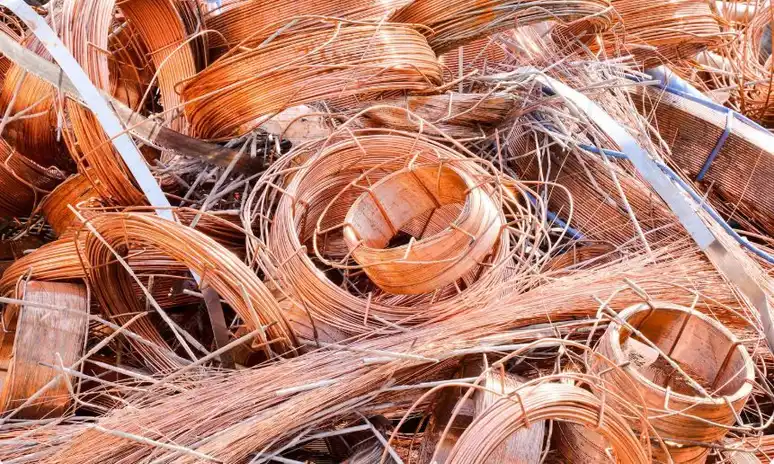
Many individuals don't actually think much about the contents of an old appliance. A broken washing machine typically appears as a large object sitting in the garage. An old microwave is often treated as simple rubbish to be disposed of. A damaged air conditioning unit becomes just another nuisance among renovation wasteHowever, recycling companies often view these items very differently.Many household appliances contain recyclable materials such as:
- Copper wiring
- Electric motors
- Aluminium components
- Steel components
- Internal electrical parts
That's one of the reasons more Australians are now asking questions such as:
- What appliances contain copper?
- Can broken appliances still be recycled?
- Why do recyclers accept old appliances?
Many people are only just discovering that everyday household appliances often contain far more recyclable material than they originally realised.
Why Is Copper Used in So Many Appliances?
Copper is highly effective at conducting electricity, extremely durable, and has been used in electrical products for many years. This is why copper is commonly used in:
- Motors
- Wiring systems
- Compressors
- Cooling systems
Most people never actually see the copper because it is hidden inside the appliance. For example, a washing machine may appear to be mostly metal on the outside, but internally it contains electrical wiring and motor components that rely on copper to function. The same applies to appliances such as:
- Refrigerators
- Ceiling fans
- Clothes dryers
- Microwave ovens
- Air conditioners
Many older appliances still hold recycling value largely because of the hidden copper inside them.
Common Household Appliances That Typically Contain Copper
Many everyday household appliances contain copper, including:
- Vacuum cleaners
- Ceiling fans
- Refrigerators
- Dishwashers
- Dryers
- Air conditioners
- Washing machines
- Other electrical appliances
Air conditioners and refrigerators commonly contain copper within their cooling systems or compressors, while appliances with motors usually contain copper inside the motor itself. This is one reason old appliances are often considered more valuable for recycling than many people assume.
Are There Benefits to Recycling Broken Appliances?
Yes , definitely.An appliance does not need to be working in order to be recycled. Even broken washing machines, microwaves, or refrigerators may still contain:
- Copper wiring
- Steel components
- Aluminium sections
- Electrical parts
Many people assume that once an appliance stops working, everything inside it loses value. However, in recycling, the most valuable materials are often the internal components -- not whether the appliance still operates.
A Situation Many Australian Households Relate To
A household begins upgrading kitchen appliances during a renovation project. The old refrigerator is moved into the garage after the new one is installed. The microwave sits beside renovation supplies, while the washing machine is temporarily placed outside near the patio. Initially, nobody is too concerned. The plan seems simple:
"We'll deal with it later."
But later keeps getting delayed. Weeks pass, and the old appliances remain exactly where they were left. Eventually, nobody is quite sure what should happen to them.
- Should they go in hard rubbish?
- Should they be taken to landfill?
- Can they actually be recycled?
This situation is far more common than many people realise. Large numbers of unwanted appliances remain sitting around homes simply because disposing of them feels confusing or inconvenient.
Why More Australians Are Recycling Appliances Instead of Dumping Them
Years ago, many people simply threw broken appliances into general waste. That mindset has gradually started changing. Australians are becoming increasingly aware of:
- Reusable materials
- Landfill waste
- Household recycling
- Metal recovery
- Environmental impact
Today, many people understand that even non-working appliances often still contain reusable metal. This growing awareness is one reason appliance recycling has become increasingly common across Melbourne and other Australian cities. Many households now actively search for appliance recycling options before disposing of unwanted appliances.
Electric Motors and Copper Inside Appliances
Many household appliances rely on electric motors to function.
For example:
- Washing machines spin using motors
- Ceiling fans rotate using motors
- Dryers, air conditioners, and vacuum cleaners also rely on motors
Inside these motors is often copper, because copper conducts electricity efficiently and resists heat. Unlike visible copper plumbing or fittings, these copper components are hidden inside appliances, so most homeowners never actually see them. However, during recycling, these internal components can often be separated and recovered for reuse.
Why Old Appliances Often Sit Around for So Long
Old appliances frequently remain around homes for long periods because they are difficult to dispose of. They are often:
- Heavy
- Difficult to transport
- Hard to lift
- Awkward to fit into smaller vehicles
Because of this, broken refrigerators, washing machines, microwaves, and dryers often remain sitting in garages or storage areas long after they stop being used. Many people fully intend to dispose of them, but moving them becomes an inconvenient task. This is one reason recycling pickup services continue growing in popularity throughout Melbourne suburbs.
Is There Copper in Small Household Appliances?
Yes. Many people assume only large appliances contain recyclable metals, but smaller appliances often contain copper as well. Examples include:
- Microwaves
- Vacuum cleaners
- Blenders
- Electric fans
- Power tools
These items may contain copper wiring and small motor components internally. Although the amount of copper may be smaller compared to larger appliances, many smaller household products still contain recyclable metal.
What Happens After Appliances Are Recycled?
Most people rarely think about what happens after appliances are collected. Once collected, appliances are generally sorted by material type, including:
- Electrical components
- Wiring
- Aluminium
- Copper
- Steel
These materials can then be processed and reused in industries such as:
- Electrical systems
- Construction
- Manufacturing
This helps reduce landfill waste while keeping reusable materials in circulation for longer.For many people, simply understanding how much recyclable material exists inside old appliances changes the way they think about appliance disposal.
Final Thoughts
A lot of old household appliances contain far more reusable material than most people realise. Items like refrigerators, washing machines, ceiling fans, air conditioners, dryers, and microwaves often contain copper wiring, motors, steel, aluminium, and electrical components that can still be recovered through recycling — see our full list of household scrap metal items you can sell for cash. As more Australians become aware of appliance recycling and reusable household metal, old appliances are increasingly being recycled instead of simply thrown away or left sitting unused in garages and renovation sites — see our full guide to places to find scrap metal around your home for more hidden sources. For homeowners, landlords, tradies, and businesses needing appliance scrap pickup and metal recycling services in Melbourne, Prime Metal Recycling Melbourne provides mobile scrap collection services for residential and commercial properties. Appliances with compressors can also hold reusable metal inside cooling systems, which is why refrigerators and air conditioners are commonly considered worthwhile recycling items.
Appliance Copper FAQs
Common questions about copper inside appliances, old appliance recycling, and scrap appliance pickup Melbourne
Why do old appliances contain copper?
Which appliances usually contain the most copper?
Can broken appliances still be recycled?
Why do people leave old appliances sitting in garages for so long?
Is appliance recycling becoming more common in Australia?
Need Appliance Scrap Pickup?
Prime Metal Recycling Melbourne helps collect old household appliances, motor-driven scrap, and recyclable metal from homes and worksites.
Call for Appliance Pickup