Published: August 2026 | By Prime Metal Recycling | 6 min read
Is It Possible to Recycle Aluminum Forever?
The idea of a metal that can be melted down, shaped, and reused again and again is too good to be true. But that's what they say about aluminum, and it's one of the rare material science instances where the marketing and the chemistry do agree. But is it possible to recycle aluminum forever? In reality, yes. Aluminum has been dubbed a "permanent material," as its atomic structure remains intact even after being melted down and reformed several times. Today's can might still be around 50, 100, or even 500 years later.
This is a difference from materials such as plastic or paper, which degrade a bit with each use and eventually can no longer be used. This difference in behavior led to a deeper understanding of the role aluminum plays in rapid, sustainable manufacturing. Aluminum is one of the most recycled materials on the planet, alongside steel and glass. A recycled aluminum can can be collected, melted, reformed, and back on store shelves in a matter of weeks rather than months, and aluminum does not deteriorate when recycled.
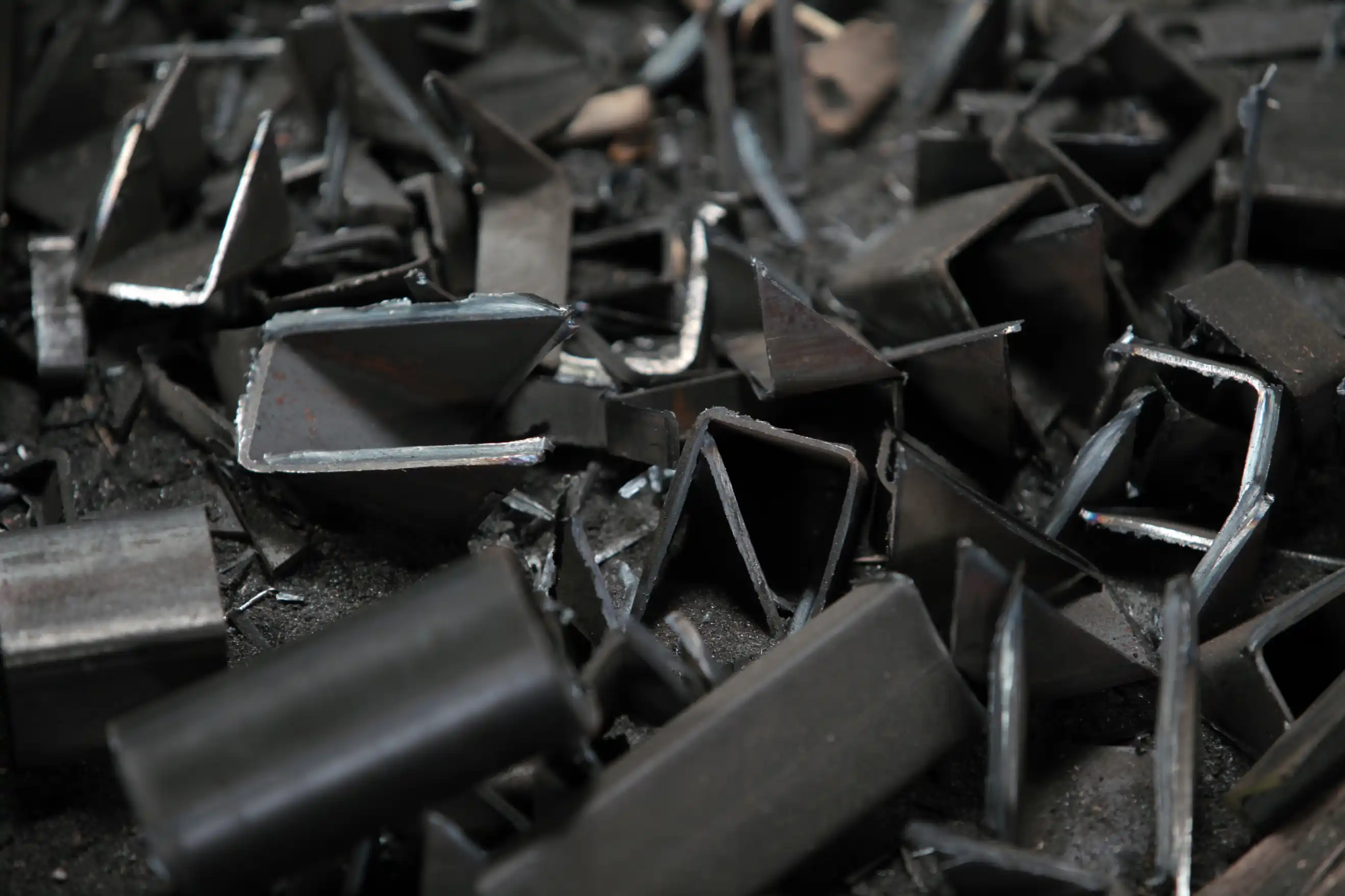
Why Aluminum Can Be Recycled Without Losing Quality
The answer is a matter of chemistry and not of ingenuity. Unlike some recyclers, aluminum's melting does not destroy its atomic bonds or change its basic structure. Once aluminum is heated to its melting point and reformed, it will simply turn back into a liquid and re-solidify without losing its core properties. Paper, for instance, can be pulped over and over again, and the cellulose fibers will shorten and weaken each time. At the same time, plastic will break apart during the melting and reforming process, but not so with aluminum, which is a metal. It's what makes it so scientists describe it as "infinitely recyclable" instead of "recyclable a few times."
- This kind of process is sometimes referred to as "closed-loop recycling," where a product like a beverage can is recycled back into the same type of product repeatedly, rather than being "downcycled" into a lower-value material.
- Because the metal doesn't degrade, there's effectively no practical ceiling on how many times a single batch of aluminum can be reprocessed.
Is Recycled Aluminum as Good as New Aluminum?
Yes, and this is one of the most important. Aluminum can be recycled without any loss of its chemical or physical properties; the recycled material is identical to that created from bauxite ore. A can, panel, or component produced from recycled material is as strong, durable, or good-performing as a can, panel, or component produced from primary aluminum. As a result, manufacturers can use 100% recycled and virgin aluminum without any compromise in production, and that's why the recycling rate for aluminum products – especially beverage cans – is consistently high worldwide.
This consistency shows up across a range of industries, from automotive body panels to construction and beverage packaging, all of which use large volumes of recycled aluminum without any noticeable drop in quality.
So What Is Really Stopping the Recycling of Aluminum?
The limits are not in the metal itself, but in the recycling chain on the side of the metal. The most common practical problem is contamination when aluminum is not separated correctly from plastics or other metals or contains coatings or is mixed with others that require further cleaning or refining to improve the quality of a particular batch. There's also the issue of collection: aluminum can only be recycled if it's actually collected and recycled, not dumped in a landfill, which is why participation in recycling programs is important, even though recycling aluminum is technically possible.
Then there's the issue of alloying. Aluminum products are frequently combined with tiny quantities of other elements such as magnesium, silicon, or copper to impart particular properties, and sometimes, even the best products can be recycled best in their own alloy group to ensure very high specifications for critical products like aircraft components. But it's not Aluminum's recycling cap; rather, it is a requirement for some precision of sorting to maximize the use of each batch.
- Mixing materials can reduce the quality of a particular batch until it is refined.
- The largest real-world limiting factor is collection rates - not properties of the metal.
- In practice, better sorting technology at recycling facilities and deposit return schemes that reward people for returning cans both play a big role in pushing collection rates higher.
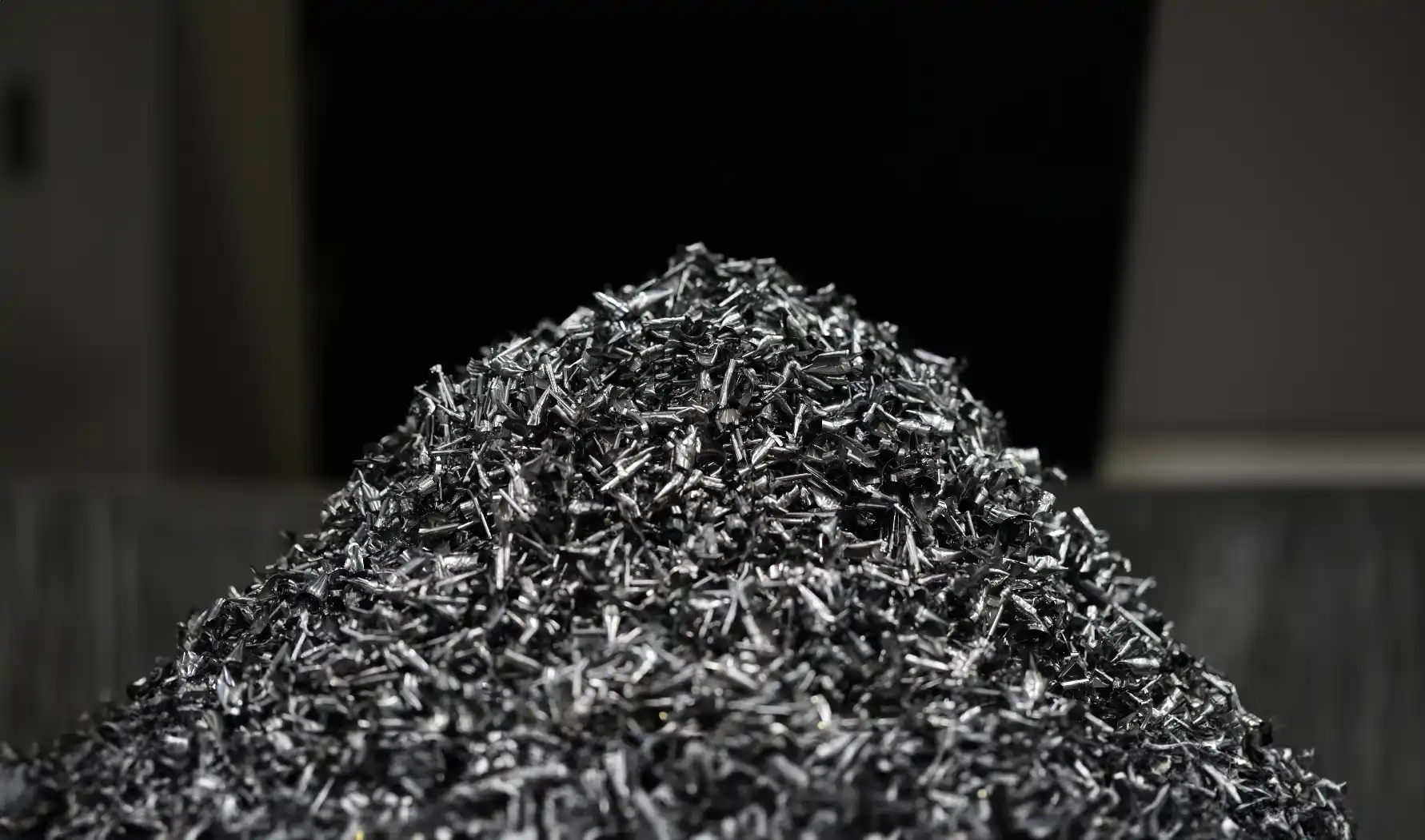
Why This Matters for Sustainability
Recycling aluminum has no end-of-life, and recycling a tonne of used aluminum rather than sending it to landfill is a real ton reduction in primary production and new mining. Manufacturing new aluminum from bauxite ore relies on a high level of energy usage and has a significant environmental impact, whereas recycling aluminum requires approximately 95% less energy. Multiply that saving by the billions of aluminum products that are already circulating the world, and you'll see why aluminum is often touted as the textbook case of a truly circular material, one that doesn't require much effort to reduce waste, but instead to take out the need to keep extracting new raw material.
Beyond the direct energy savings, there's a knock-on effect too. Less demand for newly mined bauxite means less land disturbance and fewer emissions from the energy-intensive refining process that turns raw ore into usable metal, one of the reasons aluminum recycling is often held up as a high-impact, comparatively low-effort way to reduce a product's overall footprint.
The same closed-loop logic that keeps aluminium's value intact underpins Melbourne's aluminium recycling industry, and is reflected in current aluminium scrap prices. For the full process from collection to remelting, see how aluminium recycling works, and for the energy side of the equation, read why recycling aluminium saves energy. Aluminium's stable, endlessly reusable structure is also why it ranks among the most valuable scrap metals worth keeping, alongside the wider copper, aluminium and brass scrap value comparison, and among Melbourne's broader non-ferrous metals.
Recycle your scrap aluminium in Melbourne — call Prime Metal Recycling on +61 470 056 918 or book a collection at 57 Tarnard Dr, Braeside VIC 3195.
Aluminium Recycling FAQs
Common questions about infinite aluminium recyclability
Does the aluminum get used up after a large number of recycles?
Which is the weaker, recycled aluminum or new aluminum?
What is the greatest challenge for the endless recycling of aluminum?
Why is aluminum more sustainable than other recyclable materials?
Does it matter where the recycled aluminum comes from?
Still have questions? We're here to help!
Call Us: +61 470 056 918